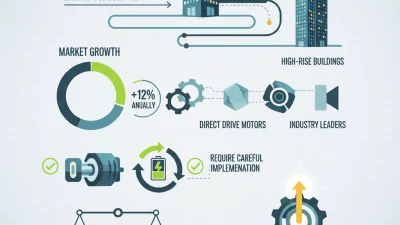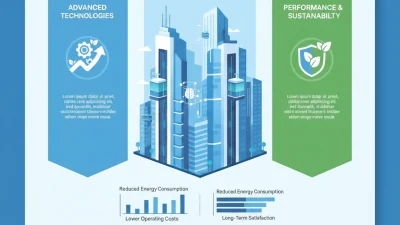

As the world’s push for sustainable solutions gains momentum, the elevator industry is definitely evolving—really leaning into innovation these days. Experts often talk about how critical it is to pick the right tech for the job. Take John Smith, for instance—he’s a top expert in energy-efficient systems, and he once said something like, “The future depends on how well we can harness energy-saving technologies.” That pretty much hits the nail on the head when it comes to why theEnergy-Saving Elevator Motor is such a game-changer in today’s infrastructure.
Now, let's not forget—energy costs are a big deal for both businesses and regular folks. The great thing about these motors? They help slash electricity bills and cut down on carbon emissions. More and more buildings are jumping on this bandwagon, opting for greener, more sustainable solutions. But here’s the thing: not every energy-saving option out there is equally good. It’s super important for buyers to look into how well these products perform and how reliable they really are.
Of course, with loads of manufacturers offering Energy-Saving Elevator Motors, it can get pretty overwhelming. Some might promise big savings on power but might not last very long. So, it’s really about balancing what you save upfront with what you get in the long run. Doing your homework—talking to trusted companies, doing some research, maybe consulting a few experts—can make all the difference. In the end, choosing the right motor isn’t just good for your wallet; it’s also a win for the planet.

Overview of Energy Saving Elevator Motors Available Globally
When considering energy-saving elevator motors, it is essential to understand their global availability. Many countries are focusing on reducing energy consumption. Modern motors are designed with advanced technology to improve energy efficiency. These innovations offer significant reductions in electricity usage compared to traditional motors.
Various energy-saving motors have different features depending on the region. For instance, some motors utilize permanent magnet technology, providing high efficiency across various speeds. Others may include regenerative braking systems, which feed energy back into the building’s power grid. It’s crucial for buyers to evaluate local energy regulations and standards. This ensures compatibility and maximum efficiency.
However, not all energy-efficient solutions are perfect. Installation and maintenance can pose challenges that may not be apparent initially. Understanding these complexities is vital for any buyer. Careful consideration of energy-saving motors ensures not only compliance but also long-term savings and performance. Investing time in research might reveal options that better suit specific needs. This can lead to more informed decisions and effective energy management strategies.
Best Energy Saving Elevator Motor for Global Buyers?
| Motor Type | Power Rating (kW) | Efficiency (%) | Voltage (V) | Weight (kg) |
|---|---|---|---|---|
| Permanent Magnet Synchronous Motor | 15 | 95 | 400 | 80 |
| Gearless Traction Motor | 20 | 92 | 480 | 100 |
| Induction Motor | 10 | 85 | 230 | 60 |
| High Efficiency Motor | 25 | 90 | 400 | 90 |
| Variable Frequency Drive Motor | 30 | 93 | 380 | 110 |
Key Features of Energy Efficient Elevator Motors
When looking for the Best Energy-Saving Elevator Motor, buyers should focus on key features. Efficiency is paramount. Motors that operate with high efficiency significantly reduce power consumption. Look for those with a high Energy Efficiency Ratio (EER). This ratio measures output relative to energy input. A higher EER translates to lower electricity bills.
Another crucial aspect is the regenerative capability of the motor. Regenerative motors can harness energy when the elevator descends. This energy is then fed back into the building's power system. This feature not only saves energy but also lowers operating costs. Additionally, quieter operations can enhance user experience. A silent ride is often overlooked but makes a significant difference in residential buildings.
Potential drawbacks also exist. Some energy-saving models may have higher upfront costs. Buyers must weigh the long-term savings against initial expenses. Maintenance can also be a concern; specialized knowledge is often required to service these advanced systems. Investing in training for maintenance staff remains essential for ensuring reliability. Despite these challenges, the benefits of using the best energy-saving elevator motor are clear.
Benefits of Using Energy Saving Elevator Motors
Energy-saving elevator motors offer significant advantages for various building types. These motors greatly reduce energy consumption, leading to lower operating costs. They are designed to optimize efficiency, often using advanced technologies like variable frequency drives. This allows for smooth operation and quick adjustments based on real-time demand.
Another key benefit is the positive environmental impact. By reducing energy use, these motors contribute to lower greenhouse gas emissions. Many buildings seeking sustainability certifications prioritize energy-saving solutions. However, not all options are ideal. Some energy-saving systems may have higher upfront costs, which can be a concern for budget-conscious buyers.
When evaluating the best energy-saving elevator motors, consider performance and reliability. Look for options with proven design effectiveness. A Famous Energy-Saving Elevator Motor may promise great efficiency, but always analyze real-world performance data. Some buyers find it challenging to gauge the true savings potential on initial purchases. Hence, thorough research and expert guidance can aid in making an informed decision.
Top Brands for Energy Efficient Elevator Motors
When considering energy-efficient elevator motors, it's vital to focus on performance and sustainability. Top manufacturers typically invest in advanced technologies. These technologies enhance energy savings while maintaining reliable performance. A few key features define High-Quality Energy-Saving Elevator Motors. These include a robust design, reduced energy consumption, and low maintenance needs.
Many buyers look for brands known for innovation. Their products often exceed industry standards for energy efficiency. Consumers may find that these brands have developed motors with regenerative capabilities. This technology allows the motor to recover energy during descent. It addresses energy waste, making elevators more sustainable.
Selecting the right energy-saving motor requires careful consideration. It's easy to overlook details like installation and compatibility with existing systems. Therefore, communicating with experts can help clarify any uncertainties. Different environments might demand specific motor designs too. It’s important to reflect on these variables for optimal selection. Choosing a high-quality energy-saving elevator motor can lead to substantial savings over time.
Comparative Analysis of Elevator Motor Technologies
Elevator motor technologies have evolved significantly in recent years. Various options exist, each with unique advantages and drawbacks. Understanding these can help global buyers make informed decisions. Some designs optimize energy usage, but they also come with higher upfront costs.
The gearless motor is a popular choice for its efficiency. It operates without a reduction gear, leading to direct drives. This reduces maintenance needs but requires precision engineering. On the other hand, geared motors are less expensive initially. However, they consume more power and may need regular servicing.
When collaborating with an Energy-Saving Elevator Motor Factory, consider their expertise in energy-efficient solutions. Advanced technologies, such as regenerative drives, offer potential to minimize consumption. Still, buyers must weigh cost versus savings. Not every technology is suitable for all applications. It's essential to assess building requirements carefully. This nuanced approach may lead to better long-term savings despite initial expenses.
Sustainability Considerations in Elevator Motor Selection
When selecting an elevator motor, sustainability should be a key consideration. Recent industry reports indicate that elevator systems account for about 2-5% of a building's energy consumption. This signifies a notable opportunity for energy savings. Implementing energy-efficient motors can reduce this energy usage significantly.
Energy-efficient motors, like those adhering to the IE3 and IE4 standards, demonstrate marked improvement in performance. These motors can lower energy consumption by up to 30%, translating to substantial cost savings over time. In addition, they contribute to reduced greenhouse gas emissions, aligning with global sustainability goals.
However, the transition to energy-efficient technologies often presents challenges. Initial costs can deter buyers, despite long-term savings. Integration with existing systems may also require additional investment. Thus, while the benefits are clear, the complexities of upgrading must be carefully evaluated. Investing in sustainable technologies offers considerable potential, but requires thoughtful consideration.
Future Trends in Energy Saving Elevator Motor Design
The design of energy-saving elevator motors is evolving rapidly. Future trends show a focus on efficiency, sustainability, and advanced technology. Motor designs are incorporating smart sensors, which adjust power usage based on demand. This minimizes energy waste, ensuring performance without compromising on energy efficiency.
Consider using regenerative drives in your elevator systems. These save energy by converting potential energy back into electricity. This innovation could significantly cut operational costs over time. Also, ensure the motor's specifications align with both your building's needs and environmental standards.
Pay attention to materials used in motor construction. Lightweight and durable materials can enhance efficiency and performance. In addition, trends indicate an increase in the integration of IoT technology. Such improvements facilitate real-time monitoring, enabling proactive maintenance and timely adjustments to optimize energy use. Testing prototypes before full-scale production can uncover potential flaws and enhance reliability.
Energy Saving Elevator Motor Efficiency Comparison
| Label | Efficiency (%) |
|---|---|
| Standard Motor | 85 |
| High-Efficiency Motor | 92 |
| Permanent Magnet Motor | 95 |
| Regenerative Motor | 98 |
Essential Guide to Elevator Parts and Tools: Focus on the 3300, 3600, 5400, and 5500 Cable Serve Tools
When it comes to maintaining elevators, having the right tools and parts is essential for ensuring their reliable operation. This guide focuses on vital cable serve tools specifically designed for the 3300, 3600, 5400, and 5500 series, which play a crucial role in optimizing elevator performance. These tools are engineered for efficiency and effectiveness, helping technicians perform necessary repairs or upgrades seamlessly.
One of the standout products in this category is a tool priced at $25.8 per piece, which represents an excellent investment for elevator maintenance. Its robust construction and user-friendly design make it a preferred choice among professionals who work with lift parts. Utilizing the right equipment not only reduces the time spent on repairs but also enhances safety, ensuring elevators operate smoothly and passengers are transported without concerns. With these specialized cable serve tools at hand, elevator technicians can efficiently address a variety of service requirements.

FAQS
: Common types are gearless and geared motors. Gearless motors are efficient, while geared motors are more affordable but less efficient.
Gearless motors require less maintenance due to direct drives. However, they need precise engineering, which can affect costs.
Geared motors are cheaper initially. However, they consume more power and require regular servicing, which can add costs over time.
Regenerative drives convert potential energy back into electricity. This can significantly reduce operational costs in the long run.
Buyers should assess energy efficiency, upfront costs, and maintenance needs based on building requirements. Each project is unique.
Lightweight and durable materials enhance performance and efficiency. Choosing the right materials is crucial for optimal motor function.
IoT integration allows real-time monitoring. This helps in proactive maintenance and optimizing energy use, improving overall efficiency.
Yes, testing prototypes helps identify flaws before full-scale production. This can enhance reliability and performance in the final product.
Yes, the focus is on efficiency and sustainability. Advanced technologies aim to minimize energy waste in elevator systems.
No, not every technology fits all situations. It's vital to evaluate specific building needs before making a decision.
Conclusion
In recent years, the demand for energy-efficient solutions has led to the development of advanced Energy-Saving Elevator Motors, which are increasingly being adopted by global buyers. These motors not only incorporate cutting-edge technology aimed at reducing energy consumption but also feature key elements such as high efficiency, reduced noise levels, and compact designs. The benefits of implementing energy-saving elevator motors include lower operational costs, decreased environmental impact, and improved overall system performance.
A comprehensive analysis of various elevator motor technologies reveals significant advancements in design and functionality, aligning with sustainability goals. As the industry progresses, future trends indicate a focus on smart technologies and integration with renewable energy sources, positioning energy-saving elevator motors at the forefront of sustainable building practices. This shift is essential for addressing contemporary challenges in energy consumption and environmental sustainability within the elevator industry.
Related Posts
-
Elevate Your Business with Premium Energy Saving Elevator Motors from China to the World
-
What is an Energy Saving Elevator Motor and Its Benefits?
-

2025 Top Lift Control Panel Features You Need to Know for Optimal Performance
-
Digital Best Elevator Control Panel Features and Benefits?
-
Top Strategies for Sourcing Lift Control Panels: Maximizing Efficiency and Cost-Effectiveness in Global Procurement
-

Essential Tactics for Maximizing Impact with Elevator Display Boards