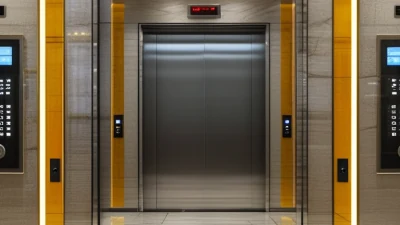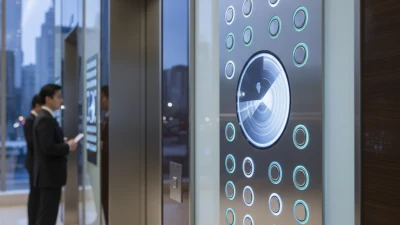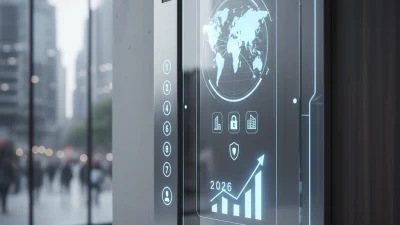
As the elevator industry continues to evolve, the importance ofinnovative Elevator Control Panels becomes increasingly apparent. With the global elevator market projected to reach USD 145 billion by 2025, advancements in control technology are critical for manufacturers and buyers alike. Key developments in this sector not only enhance functionality and safety but also drive energy efficiency and user experience.
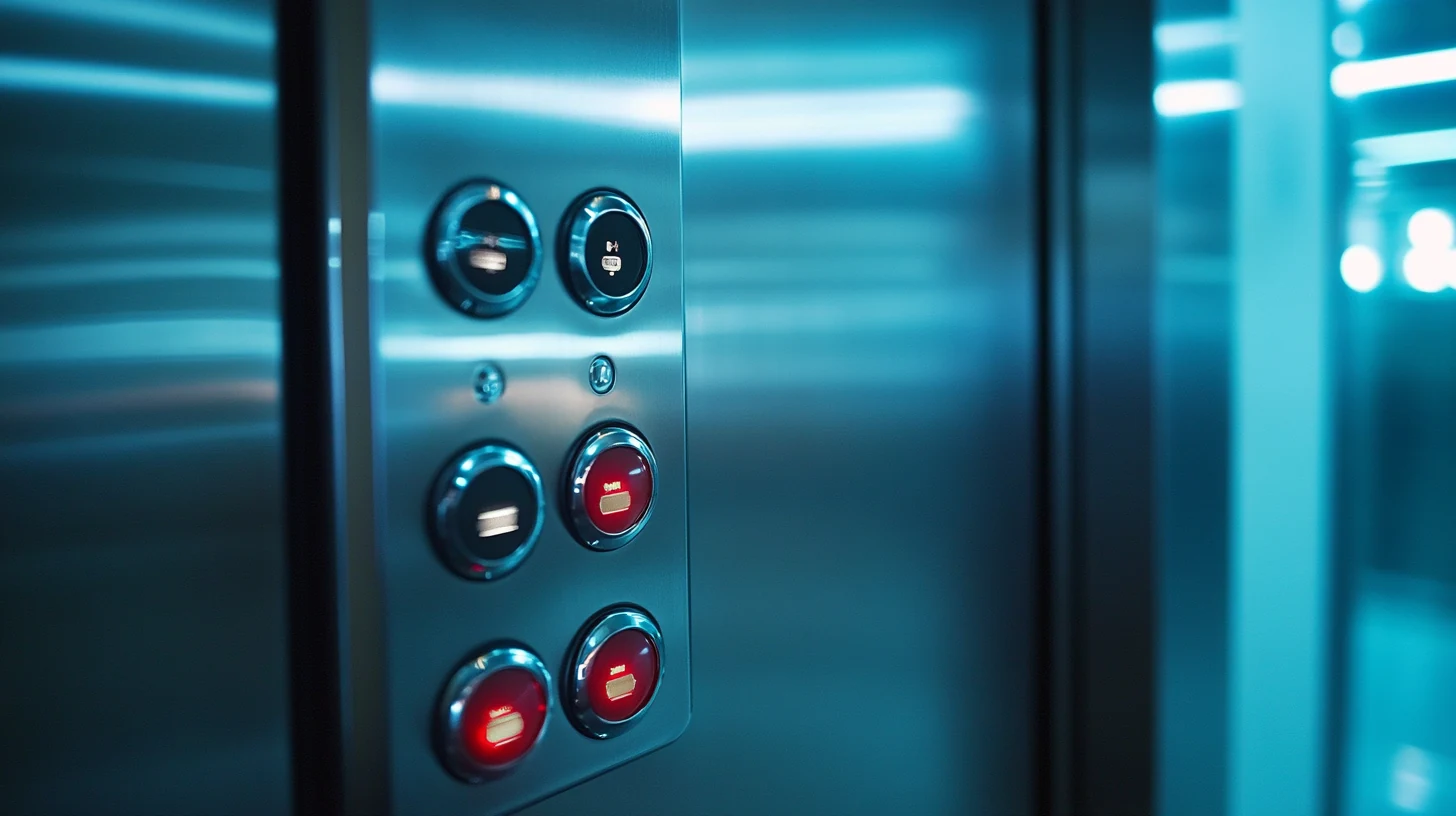
Companies are now prioritizing smart features and IoT integration in their Elevator Control Panels to meet the demands of modern buildings. Zhuhai Link Industrial Co., Ltd., established in June 2017, has been at the forefront of this innovation, engaging in the sales, installation, and maintenance of over 200 elevators annually. As global buyers prepare to invest in the next generation of elevator solutions, understanding the essential innovations in Elevator Control Panel technology will be crucial to ensure compliance with industry standards and certifications.
Key Features to Look for in 2025 Elevator Control Panels
As the elevator industry continues to evolve, the focus for 2025 is on innovative control panels that not only maximize efficiency but also enhance user experience. Global buyers should prioritize several key features when evaluating new elevator control panels. Firstly, advanced touchless controls are becoming increasingly essential. With health and safety in mind, systems that incorporate voice recognition or smartphone connectivity can greatly minimize contact points, providing a seamless and hygienic experience for users.
Another critical feature to consider is the implementation of artificial intelligence (AI) for predictive maintenance. These smart systems can analyze operational data in real time, allowing for timely interventions and reducing downtime. For companies like Zhuhai Link Industrial Co., Ltd., which specializes in the sales, installation, and maintenance of elevators, adopting these innovative control panels can not only enhance service quality but also improve overall customer satisfaction, aligning with the growing demand for advanced technology in the elevator market.
Finally, energy efficiency is paramount. Look for panels that incorporate modern technologies to optimize energy consumption, thereby contributing to sustainability goals. As we head towards 2025, these advancements are crucial for companies aiming to stand out in a competitive market, ensuring they meet the needs of both current and future customers.
Elevator Control Panel Features Demand Trends for 2025
| Key Features | Feature Demand (%) |
|---|---|
| Smart Connectivity | 20 |
| User-Friendly Interface | 15 |
| Energy Efficiency | 18 |
| Safety Features | 25 |
| Remote Monitoring | 10 |
| Customization | 5 |
| Sustainability | 7 |
Sustainability Considerations for Modern Elevator Systems
As we approach 2025, the focus on sustainability within elevator systems is becoming increasingly critical. Modern elevator control panels are at the forefront of this evolution, contributing to the broader goals established by the Paris Agreement. With global elevator and escalator market size expected to grow from USD 126.24 billion in 2025 to reach USD 217 billion by 2033, it is essential that buyers consider sustainability features when investing in new systems. The integration of smart technologies can significantly enhance energy efficiency, reducing the carbon footprint of buildings, while aligning with green building initiatives that aim for net zero emissions by 2050.
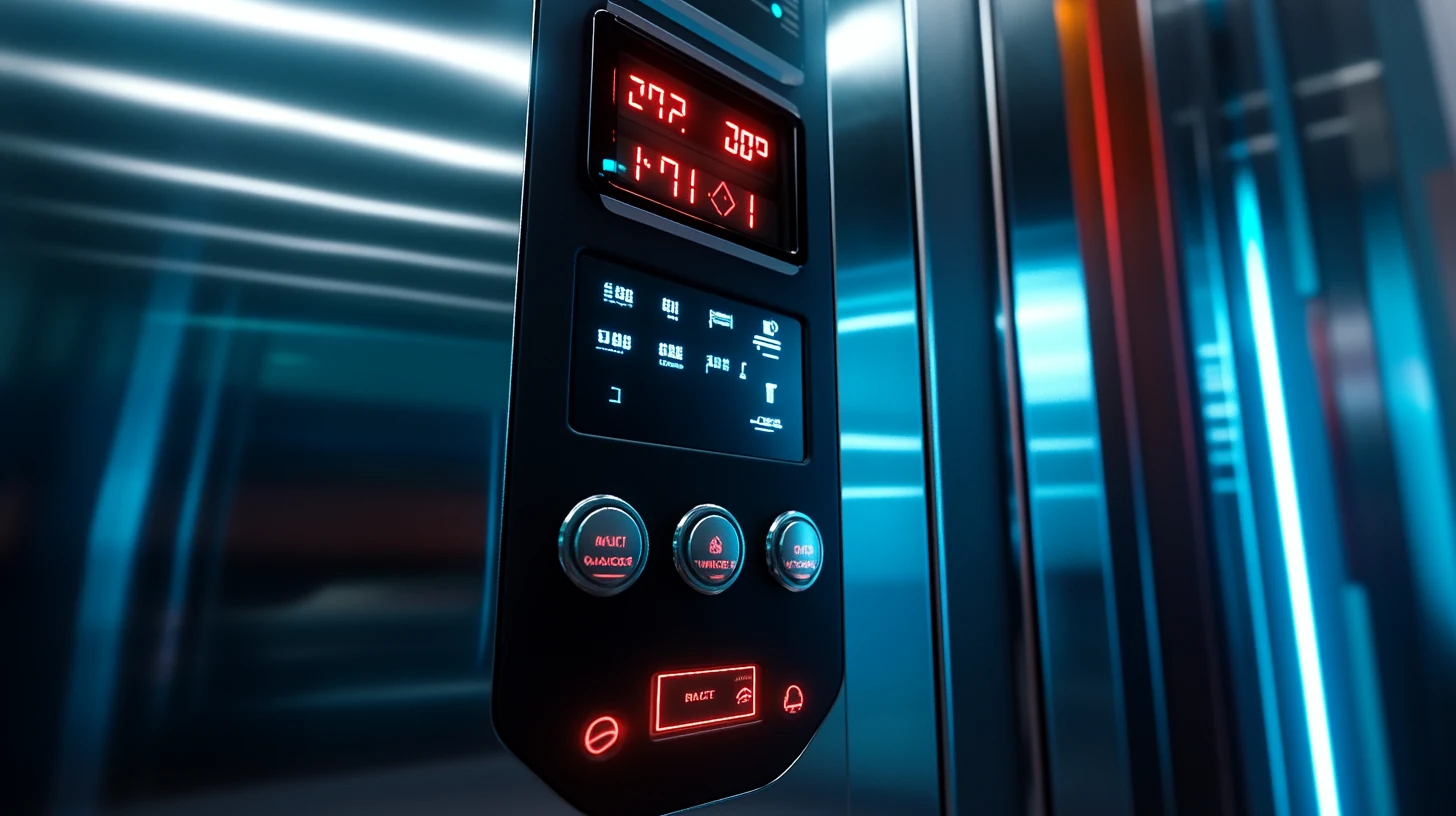
Recent advancements in recycling technology for silicon-based photovoltaic solar panels highlight the potential for synergy between renewable energy and vertical transportation systems. By incorporating smart elevator solutions, buildings can harness solar energy more effectively, contributing to a sustainable infrastructure ecosystem. These systems not only facilitate efficient vertical transit but also support the larger framework of smart cities, which emphasize a holistic approach to urban transformation through resource efficiency and technological innovation. The need for robust sustainability metrics in elevator design and operation cannot be overstated as urban environments increasingly demand green solutions to meet the challenges posed by urbanization and environmental change.
User Interface Innovations: Enhancing the Passenger Experience
As we look towards 2025, the elevator control panel is poised for a significant transformation, particularly in user interface innovations that are set to enhance the passenger experience. One of the most exciting developments is the integration of touchless technology, which allows users to select their desired floor without physical contact. This innovation not only improves hygiene, especially in a post-pandemic world, but also adds a modern touch to the elevator experience, providing a streamlined and futuristic interface that resonates with tech-savvy users.
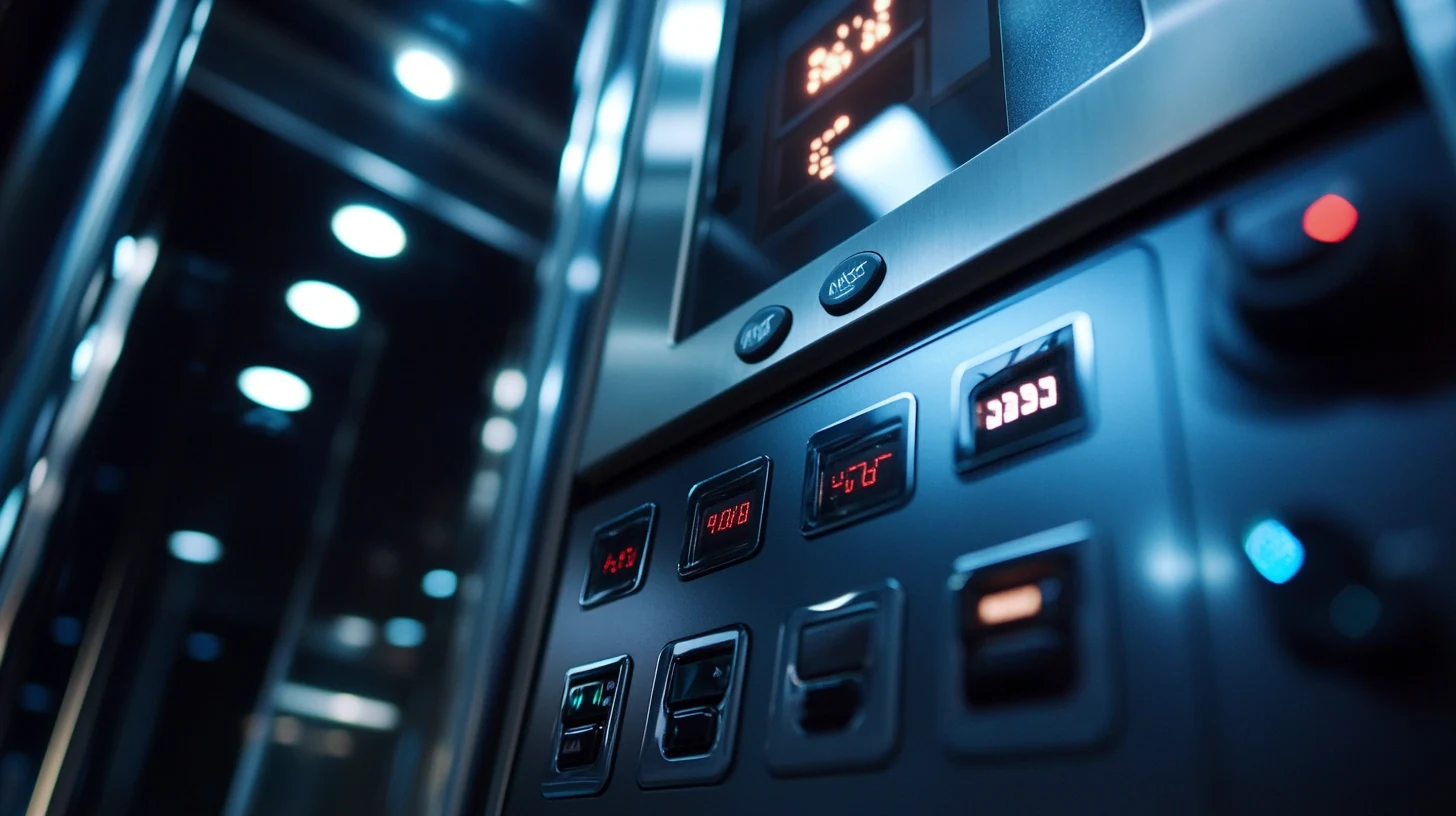
Additionally, we may see the rise of customizable user interfaces that cater to individual preferences. For instance, advanced AI could learn user habits and suggest common routes or even adjust the panel’s layout based on the demographics of passengers using the elevator. Coupled with visually appealing designs and intuitive navigation techniques, such personalized experiences can make elevator rides more pleasant and efficient. As global buyers prepare for these advancements, the focus on enhancing the passenger experience through innovative user interfaces will undoubtedly set the standard for modern elevator systems.
Integrating Smart Technology: IoT and Elevator Control Solutions
As we approach 2025, the integration of smart technology in elevator control panels is set to revolutionize the way buildings operate. The Internet of Things (IoT) is at the forefront of this transformation, enabling seamless communication between elevators and building management systems. IoT-enabled elevators can collect real-time data on usage patterns, allowing for predictive maintenance and significantly reducing downtime. This innovative approach not only enhances operational efficiency but also improves user experience by minimizing wait times and optimizing travel routes within the building.
Moreover, smart elevator control solutions offer enhanced safety and security features. With the integration of IoT, elevators can utilize advanced monitoring systems that detect irregularities, ensuring swift responses to potential malfunctions. Furthermore, such systems can be remotely monitored, giving facility managers peace of mind. The incorporation of user authentication mechanisms, such as mobile app access or biometric identification, elevates building security levels significantly. As global buyers prepare for future investments, prioritizing elevators with integrated smart technology will not only meet the demands of contemporary architecture but also position them at the forefront of innovation in building management.
Safety and Accessibility Updates in Elevator Controls
As the elevator industry gears up for innovations expected by 2025, enhancements in safety and accessibility features are taking center stage. Recent reports highlight the critical need for improved elevator controls that cater to diverse user needs. For instance, TriMet's installation of access-control devices at MAX elevators along I-84 exemplifies the growing commitment to making transportation more reliable and accessible for all.
Accessibility challenges continue to persist, with incidents such as a blind man being trapped in an elevator devoid of braille signs emphasizing the urgent need for inclusive design.
Furthermore, new safety standards and upgrades reflect a broader trend towards prioritizing user safety alongside functionality. For example, the introduction of horizontal button panels in elevators has made it easier for individuals to access controls, particularly in public spaces like Armstrong Student Center. The CSA B44 standards in Canada are setting benchmarks for safety, ensuring that elevators are equipped with features that enhance communication and response capabilities.
As the industry prepares for an evolving landscape, it's imperative that global buyers prioritize these innovations that not only enhance safety but also promote accessibility for all users.
Cost-Benefit Analysis: Investing in Future-Ready Elevator Controls
As the elevator industry gears up for 2025, global buyers are faced with the critical task of evaluating innovative control panel technologies. Conducting a comprehensive cost-benefit analysis is essential in determining the long-term value of investing in future-ready elevator controls. A well-designed control system can enhance operational efficiency, reduce energy consumption, and improve user experience, ultimately leading to increased occupancy rates in commercial buildings.
Investing in advanced elevator control systems may initially appear costly, but the savings generated over time can be substantial. Features such as predictive maintenance capabilities and energy-efficient algorithms not only minimize downtime and repair costs but also significantly reduce energy bills. Furthermore, modern controls can integrate seamlessly with smart building systems, which adds to the building's overall value and attractiveness. Buyers should focus on these innovations to ensure they stay ahead of the curve in a rapidly evolving market.
Elevator Control Panel Innovations for 2025 Must Have Checklist for Global Buyers
| Feature | Benefit | Cost ($) | ROI (%) |
|---|---|---|---|
| IoT Connectivity | Remote Monitoring and Maintenance | 5,000 | 20% |
| Smart Control Algorithms | Optimized Energy Use | 8,000 | 25% |
| Touchless Controls | Enhanced User Experience and Hygiene | 3,000 | 30% |
| Adaptive Learning | Improved Traffic Management | 7,000 | 22% |
| Energy Regeneration System | Lower Energy Costs | 10,000 | 28% |
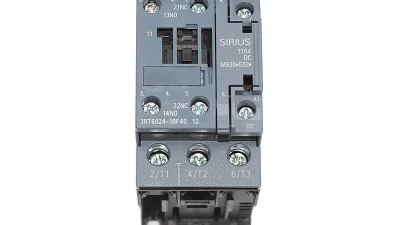
Elevate Your Elevator Efficiency: The Importance of Siemens Contactor 3RT6024-1BF40 in Modern Lift Systems
In the fast-paced world of modern lift systems, ensuring operational efficiency is paramount. The Siemens Contactor 3RT6024-1BF40 plays a crucial role in this regard, offering advanced functionality that enhances the performance of elevators. According to a recent market analysis from Grand View Research, the global elevator market is expected to reach $105.26 billion by 2025, highlighting the growing significance of reliable components in lift operation.
The Siemens 3RT6024-1BF40 is designed to handle heavy electrical loads and provides robust control over lift systems, optimally managing power to increase both safety and energy efficiency. Industry reports indicate that energy-efficient elevators can reduce energy consumption by up to 40%, a statistic that emphasizes the importance of using high-quality components such as Siemens contactors. Additionally, the durability and reliability of the 3RT6024-1BF40 ensure that maintenance costs are minimized, helping operators keep their systems running smoothly.
Elevators equipped with Siemens contactors not only enhance efficiency but also contribute to smart building initiatives. Research from MarketsandMarkets predicts that smart elevators will see a significant rise, motivated by the need for improved energy performance and the integration of IoT technologies. Thus, investing in the Siemens Contactor 3RT6024-1BF40 is not just a technical choice but a strategic decision that aligns with future trends in elevator systems.
FAQS
: Buyers should prioritize advanced touchless controls, AI for predictive maintenance, and energy efficiency when evaluating new elevator control panels.
Touchless controls, such as voice recognition and smartphone connectivity, minimize contact points, enhancing hygiene and user experience, especially in a post-pandemic world.
AI enables predictive maintenance by analyzing operational data in real-time, allowing for timely interventions and reducing downtime.
Energy efficiency is crucial for optimizing energy consumption and supporting sustainability goals, making it a vital feature in new elevator control panels.
Innovations like touchless technology and customizable interfaces will provide a streamlined experience, allowing users to select floors without contact and catering to individual preferences.
Enhancements will include improved accessibility features, horizontal button panels for easier access, and adherence to new safety standards to ensure user safety and communication.
Accessibility is crucial to cater to diverse user needs and ensure that elevators are usable for everyone, including individuals with disabilities.
Innovations like the installation of access-control devices and the introduction of braille signs in elevators address accessibility challenges and promote inclusive design.
The CSA B44 standards are safety benchmarks in Canada that ensure elevators have features enhancing communication and response capabilities for user safety.
Companies can enhance service quality, improve customer satisfaction, and stand out in a competitive market by embracing advanced technologies in elevator systems.
Related Posts
-
Resilient Growth of Chinese-Made Elevator Control Panels Amidst US-China Tariff Challenges
-
Top 10 Elevator Control Panel Manufacturers from China at the 137th Canton Fair
-
Exploring Innovations in Lift Control Panel at the Expanding International Trade Landscape of the 137th Canton Fair
-
Elevator Door Sensor Innovations Shine at 2025 Canton Fair with Record International Participation
-
Challenges Faced by Global Buyers When Sourcing the Best Conveyor Buckets
-
Global Trade Reshaped by Best Elevator Controls Corp Unmatched Quality in Chinese Manufacturing