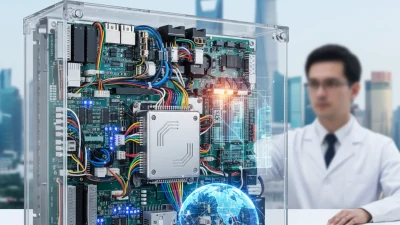
When it comes to modern elevator systems, theLift Control Panel is really like the brain of the whole operation—it's what controls how smoothly everything runs and really shapes the user experience. That said, even with all the tech improvements, these panels can still run into some common problems, and that can lead to frustrating breakdowns or just a less-than-stellar ride. At Zhuhai Link Industrial Co., Ltd., we know how important it is to keep lift systems running perfectly—because safety and efficiency are everything. We've been in the game since June 2017, handling sales, installation, and maintenance of complete elevator setups, and honestly, we've sold over 200 units a year.

In this blog, I’ll walk you through some of the most typical issues people face with Lift Control Panels and share practical, down-to-earth tips on fixing them. Our goal? To help make elevating a safer, smoother experience for everyone—users and operators alike.
Common Problems with Lift Control Panels: An Overview
Lift control panels — you know, those things that basically run your elevator — tend to run into a few common issues that can mess with their performance. For example, sometimes the buttons just won’t respond, which can be caused by electrical glitches or just old wear and tear. Dust and dirt tend to build up over time too, leading to occasional malfunctions. The good news? Regular cleaning and some routine maintenance usually do the trick, keeping the controls working smoothly and making sure inputs are read properly.
Another thing you might notice is error codes flickering on the panel. These babies are basically a warning sign that something’s off – it could be anything from communication hiccups between parts to safety system glitches. It’s pretty important to check the manual to figure out what that specific code means. Usually, troubleshooting involves checking wiring connections and making sure all parts are tight and in the right place. Honestly, just like any tech, taking the time to troubleshoot properly is key to keeping the lift running safely and reliably.
Understanding the Role of Lift Control Panels in Elevators
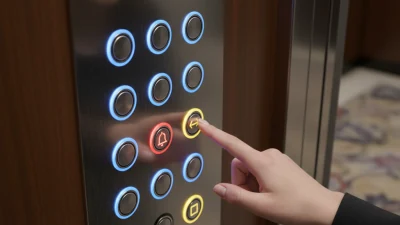
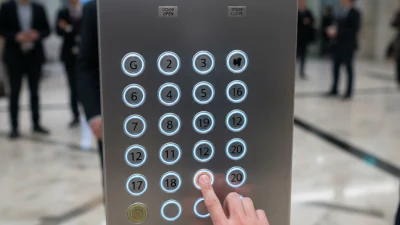
Lift control panels might not be the most glamorous part of an elevator, but they’re definitely pretty important. Think of them as the handshake between you and the elevator—giving you a way to choose your floor, trigger safety alarms if something's wrong, and see what's going on with the ride. Knowing how these panels work can really help make sure everything runs smoothly, especially inside busy buildings. You’ll usually find buttons for selecting floors, emergency stop buttons, and little indicator lights showing whether the elevator is moving or just waiting patiently at a stop.
That said, these panels aren’t perfect and can sometimes run into issues. Things like unresponsive buttons, flickering displays, or connection glitches can throw a wrench in the works and even prevent the elevator from working properly. That’s why regular check-ups and quick troubleshooting are so important. Keeping those panels clean and scheduling routine inspections can catch problems early before they turn into major headaches. Getting to know the ins and outs of these control panels isn’t just about maintenance—it’s also about keeping passengers safe and making their ride more hassle-free.
Top 5 Common Issues Encountered with Lift Control Panels
Lift control panels might not be the first thing you think of when it comes to elevator safety, but trust me, they’re pretty crucial for making sure everything runs smoothly. Still, they’re not immune to issues. According to the National Elevator Industry, Inc., about 30% of equipment failures happen because of poor maintenance or faulty wiring—that’s quite a chunk! One common annoyance is buttons that don’t respond. Usually, that’s just dirt or moisture having a little party inside. Doing a quick, monthly wipe with a damp cloth can make a big difference and really help these panels last longer.
Then there’s the software. With all these digital systems, glitches are becoming more common. The International Association of Elevator Engineers reports that issues related to software have gone up by 25% over the past ten years. To avoid inconvenience, it’s smart to keep your system updated and run regular diagnostics. Keeping a maintenance log isn’t a bad idea either—it can help spot patterns and get problems sorted before they cause bigger headaches.
And let’s not forget power surges. Fluctuations in the electrical supply can cause unexpected stops, which nobody wants. The American Society of Mechanical Engineers recommends installing surge protectors as a simple way to avoid damage and keep things running smoothly. If you get into the habit of these little preventive steps, your elevator will likely run safer and more reliably—plus, that peace of mind is totally worth it.
Strategies for Troubleshooting Lift Control Panel Malfunctions
Lift control panels are such a crucial part of elevator systems, but they often run into problems that can really mess with smooth operation. Did you know that, according to a report by the International Elevator and Escalator Industry (IEEI), about a quarter of elevator downtimes are caused by issues with control panels? That really shows how important it is to have solid troubleshooting strategies in place. Regular check-ups and maintenance are key — technicians should regularly inspect the wiring, double-check that all connections are snug, and make sure the software is updated. It’s those small things that can prevent a lot of headaches.
When something does go wrong, it’s really useful to follow a systematic approach to troubleshooting. One handy trick is to use diagnostic tools to check error codes or spot unusual system behavior. The National Elevator Industry, Inc. (NEII) mentions that these diagnostic systems can cut troubleshooting time by as much as 40%. That means technicians can zero in on the actual problem faster. Also, keeping a maintenance log can be a lifesaver — it helps you spot patterns or recurring issues that might point to deeper problems. By sticking to these strategies, facilities can cut down on downtime and keep their lifts running more reliably, which is definitely a win for everyone involved.
How to Maintain Lift Control Panels for Optimal Performance
Taking good care of the lift control panels really matters if you want them to work well and last longer. I came across a report by the International Organization for Standardization (ISO) that said more than 35% of lift breakdowns happen because of electrical issues, often tied to folks not maintaining them properly. So, it’s super important to do regular check-ups and cleanings. Dust can pile up on those circuit boards and connectors, messing with their functionality and causing weird glitches. A simple routine—like inspecting visually and blasting out dust with compressed air—can go a long way in preventing problems before they even start.
On top of that, keeping the software up to date and running diagnostics is just as important. The Elevator Industry Field Employees’ Association (EIFEA) points out that over 60% of lift system hiccups come from outdated software setups. Updating the firmware ensures everything runs smoothly and can even help the system stay ahead of safety requirements. It’s a good idea for operators to develop a kind of checklist—monitor performance, catch any oddities early, and act fast. Following these steps not only helps the lift operate more smoothly but can also cut unexpected breakdowns by around 25%. That means safer rides and less stress for everyone involved.
Best Practices for Upgrading and Improving Lift Control Panel Systems
Upgrading and improving lift control panels is pretty important if you want elevators to run safely and smoothly. A good starting point is doing a thorough check of what's already there. This means looking for old parts that might be outdated and keeping an eye out for common issues like controls that don’t respond or elevators that behave unpredictably. Regular check-ups really help you spot weak spots early on, so you can decide whether to do a full upgrade or just fix specific parts.
Another tip I’d throw in is investing in newer tech that makes using the elevator more user-friendly and reliable. Things like touchless controls and smart loading systems can seriously boost efficiency and make folks happier with their ride. Plus, adding remote monitoring tools means you can keep an eye on the system remotely—detecting potential problems before they become big headaches.
And don’t forget about training your team whenever you upgrade the panels. Making sure your staff know how to operate and troubleshoot the new stuff can prevent a lot of issues down the line. Regular training sessions help your team stay confident and capable, which all adds up to a safer and more efficient operation overall. It’s really about creating a culture where safety and smooth operation are just part of the daily grind.
Common Issues Faced with Lift Control Panels and How to Address Them
| Issue | Description | Recommended Solution | Frequency |
|---|---|---|---|
| Unresponsive Controls | Lift control panel does not respond to input. | Check wiring connections and ensure the system is powered. | Common |
| Display Malfunctions | Screens displaying incorrect or no information. | Replace faulty displays; check software updates. | Occasional |
| Error Codes | Lift displays error codes preventing operation. | Refer to the manual for error code troubleshooting. | Frequent |
| Button Failures | Buttons are sticky or do not activate the lift. | Clean or replace malfunctioning buttons. | Moderate |
| Communication Errors | Lift control panel cannot communicate with the lift car. | Inspect communication cables and repower the system. | Rare |
Essential Guide to Hitachi Elevator Parts: Relay Board 12500760 and NIOB 12500784-A Lift Accessories
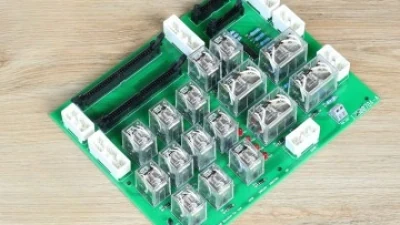
The relay board 12500760 and NIOB 12500784-A are two essential components for maintaining the efficient operation of Hitachi elevators. The relay board, known for its reliability, acts as a central hub for controlling the elevator's electrical systems, ensuring that signals are properly transmitted between various components. This board is crucial in managing the elevator's functions, from door operations to motor control, making it an indispensable part of any Hitachi elevator system.
On the other hand, the NIOB 12500784-A serves as an integral lift accessory that enhances the overall performance and safety of the elevator. This board typically handles sensor inputs and feedback mechanisms, contributing to the smooth and safe travel of the elevator car. By investing in these specific replacement parts, elevator maintenance teams can significantly reduce downtime and improve service reliability. Each of these components has been designed to meet the high standards of Hitachi's engineering, ensuring that they not only fit seamlessly but also deliver exceptional performance in the field.
Whether you're a maintenance professional or responsible for overseeing elevator operations, understanding the importance of the relay board and NIOB accessories will empower you to make informed decisions that extend the lifecycle of your Hitachi elevator systems. Keeping these parts in optimum condition is key to ensuring you minimize outages and enhance passenger safety during conveyance.
FAQS
: Common issues include unresponsive buttons, error codes, software glitches, and overhead power fluctuations. These can stem from dirt accumulation, faulty wiring, or outdated software.
Unresponsive buttons are often caused by dirt or moisture accumulation, which can hinder their functionality. Regular cleaning can help prevent these issues.
Maintenance should include regular inspection, cleaning, software updates, and diagnostics to ensure optimal performance and longevity.
Users should refer to the manual to diagnose the specific issue indicated by the error codes and check wiring connections and component placements.
A simple monthly wipe-down with a damp cloth is recommended to prevent dirt and debris accumulation that can lead to malfunctions.
Regular software updates are crucial as over 60% of lift system inefficiencies are linked to outdated software configurations, affecting the overall efficiency of the lift.
Installing surge protectors is recommended to reduce the risk of damage and unexpected stops due to overhead power fluctuations.
Keeping a maintenance log helps identify recurring problems and allows for timely interventions to address issues before they lead to failures.
Over 35% of lift breakdowns are attributed to electrical component failures related to inadequate maintenance.
Following proper maintenance strategies can reduce unexpected downtimes by up to 25%, ensuring safer and more reliable lift services.
Conclusion
When it comes to elevators, Lift Control Panels are pretty much the heartbeat of smooth operation. But let’s be honest—these systems can run into issues now and then, leading to glitches or even elevator downtime. Knowing what kinds of problems might pop up, and having some solid troubleshooting tips and maintenance routines in your back pocket, is super important if you want to keep everything running like clockwork. Whether it's fixing tech hiccups or making sure the panels stay in good shape over time, addressing these things can really boost how well your elevator functions.
Here at Zhuhai Link Industrial Co., Ltd., we got your back. Since 2017, we've been handling sales, installation, and maintenance for elevators—over 200 units every year. Our experience means we can really get to the bottom of common Lift Control Panel issues and share practical upgrades and tips. Our goal? To make sure you get dependable, smooth-moving elevator service every time.
Related Posts
-
Elevating Global Standards in Lift Control Panels with Quality Chinese Manufacturing
-
Unlock Efficiency: The Advantages of the Best Lift Control Panel for Modern Elevators
-
How to Choose the Best Elevator Control Panel for Your Business Needs
-

Top 10 Elevator Control Panel Manufacturers from China at the 137th Canton Fair
-
Maximizing Value with Best Elevator Control Panels through Superior After Sales Support and Maintenance Savings
-
Elevating Standards: How China's Best Lift Control Panel is Winning Global Markets with Quality