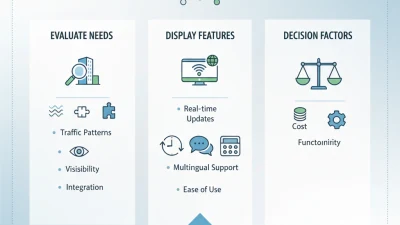
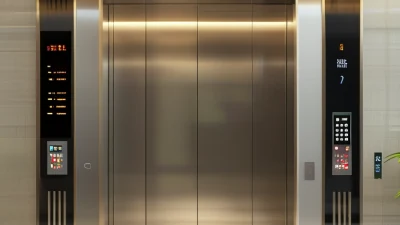
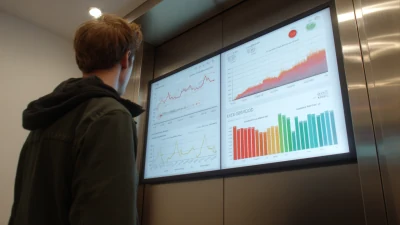
When you think about modern elevators these days, the Elevator Display Board really stands out—it’s kinda like the command center for passengers. Not only does it make riding smoother and more user-friendly, but it also helps get important info across without any fuss. Like David Thompson from Elevate Innovations puts it, "The Elevator Display Board isn’t just some fancy screen; it’s basically a lifeline for communication up and down."\n\nThese boards do more than just show the floor numbers; they actually keep everyone in the loop—whether it’s showing maintenance schedules, emergency alerts, or other updates. Honestly, the design and how well they work can totally impact how satisfied folks are with their ride. That said, not all elevator display boards are the same—some are better than others, and it’s easy to miss crucial features that can affect how reliable they are.\n\nIf you’re in the market for one, it’s worth digging into what features really matter. Some displays might be blurry or use outdated tech, which can just lead to confusion or frustration for users. So, taking the time to check out the specs and do a bit of research is definitely worth it. That way, you’ll end up with a display board that actually fits your needs and keeps everything running smoothly.
Key Functions of Elevator Display Boards for Modern Buildings
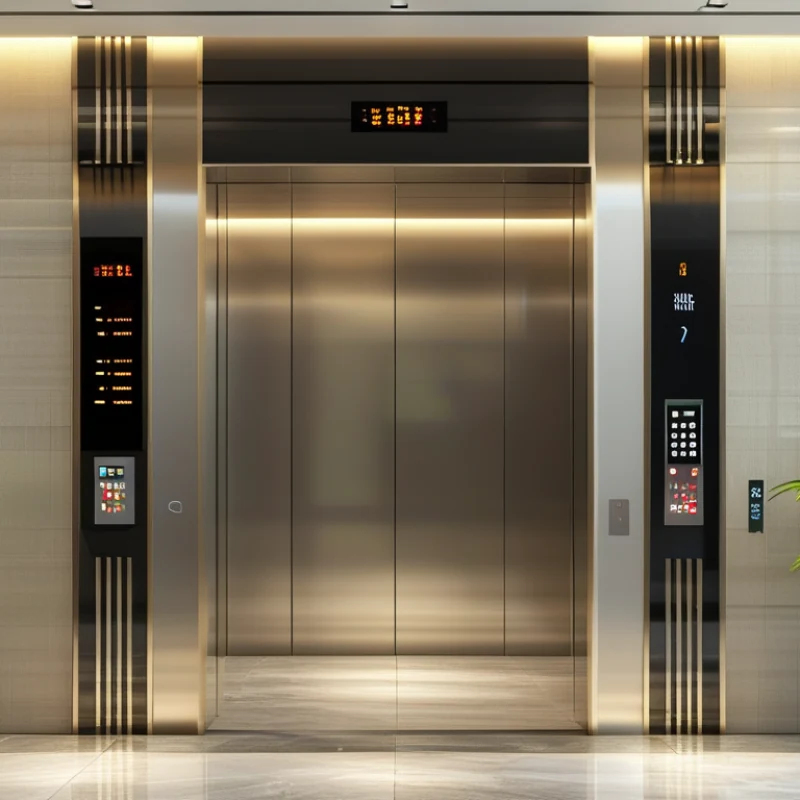
Elevator display boards have transformed the way people interact with modern buildings. These boards serve as vital communication tools, guiding passengers through their journeys. One key function is real-time information updates. This feature provides users with accurate wait times and elevator statuses. Such information greatly enhances passenger experience, making travel more efficient.
Another important aspect of elevator display boards is their ability to display building information. Users can access vital details like floor directories and emergency procedures. Having this information readily available increases safety and ensures everyone knows their exits.
However, not all display boards are created equal. Some may lack user-friendly interfaces, making navigation difficult. The Best Elevator Display Board should prioritize clarity and usability. Feedback from users indicates that a simple design can often be more effective. Observing and addressing these issues is essential for improvement and optimal function.
Importance of Display Resolution in Elevator Communication Systems
The display resolution in elevator communication systems plays a crucial role in user experience. High-resolution displays are essential because they convey information clearly and quickly. According to industry reports, 72% of users prefer elevators with clearer display interfaces. This clarity enhances navigation and reduces confusion, particularly in high-traffic buildings.
A study conducted by the International Elevator and Escalator Expo revealed that elevators with superior resolution showcase better visibility even in bright conditions. This is a significant advantage for property managers. High-quality visuals can lower wait times and improve passenger satisfaction. However, not all systems prioritize resolution. Some may compromise on quality for cost savings.
Tip: Prioritize display resolution when evaluating elevator systems. Look for displays with at least 1080p resolution for optimal clarity. Consider lighting conditions where displays will be used. Clarity is your goal, so do not settle for subpar options. Investing in quality displays can yield long-term benefits and enhance user experiences.
User Interface Design: Enhancing the Passenger Experience
User interface design plays a crucial role in enhancing the passenger experience in elevators. A well-designed display board can make the journey smoother and more enjoyable. It should be user-friendly, allowing passengers to easily navigate through options.
Tips: Always prioritize clear visuals. Use bold fonts with high contrast for easy reading. Consider color-blind users when selecting hues. Interactive elements can create engagement, but they must remain simple. Avoid overcrowding the display with excessive information.
The Famous Elevator Display Board emphasizes intuitive designs. Passengers appreciate real-time updates, displaying their destinations and wait times. Sound signals can also aid those who may not see the display. Offer multilingual options to accommodate diverse users. Adaptability in design ensures that your elevator meets various needs.
Evaluate your design periodically. Seek feedback from users to identify areas for improvement. What works well? What confuses passengers? Continuous refinement can enhance functionality. This approach builds trust and reliability, crucial for a positive passenger experience.
Integration with Building Management Systems for Efficiency
Integration with building management systems (BMS) significantly enhances the functionality of elevator display boards. This integration allows for real-time data exchange, making your elevator operations more efficient. For instance, the display board can show the current status of each elevator, helping users make informed decisions. Building managers can access analytics that reveal peak usage times. Such insights can guide operational adjustments.
This connectivity does not come without challenges. The technology must be secure to protect sensitive data. Poor integration can cause system lags, leading to inaccurate information on display boards. Regular maintenance is vital to ensure optimal performance. Additionally, training for staff on how to use and manage these systems is often overlooked. Failing to address these areas can lead to inefficiencies.
Display boards should also be customizable to meet specific building needs. Adaptations can include different languages or tailored content based on the building's purpose. Implementing user-friendly interfaces is crucial to ensure that visitors easily understand the information. An aesthetically pleasing design can enhance user experience but may not always align with functionality. A balance between form and function is essential for effective communication within the building.
Customization Options: Tailoring Display Boards to Specific Needs
Customization is crucial when selecting a High-Quality Elevator Display Board. Tailoring these boards can enhance user experiences and improve communication. A report from the International Elevator and Escalator Industry suggests that nearly 70% of buyers prioritize customizable features that meet specific building needs. This includes options for size, color, and display format.
Beyond aesthetics, functionality matters. Many buyers now seek boards that integrate with smart building technology. According to a recent study, buildings with adaptable display solutions report a 25% increase in tenant satisfaction. This is largely due to personalized messages and real-time updates, which keep occupants informed.
However, not all customization options are ideal. Some features may complicate the installation process or increase maintenance costs. Buyers should weigh their needs carefully. Practicality and usability should guide decisions. Ultimately, understanding customization's impact on both functionality and design is key to making informed choices.
Top 10 Elevator Display Board Features Buyers Should Know
| Feature | Description | Customization Options |
|---|---|---|
| LED Display | Bright and clear display for easy visibility. | Color choices and brightness levels. |
| Multi-Language Support | Displays messages in various languages. | Language selection based on user requirement. |
| Touch Screen Interface | Interactive display for user selection. | Custom software applications. |
| Real-Time Updates | Information about elevator status and alerts. | Integration with building management systems. |
| Visual Aids | Icons and symbols for better understanding. | Custom graphics for branding. |
| Auditory Alerts | Sound notifications for users. | Sound customization options. |
| Energy Efficiency | Low power consumption designs. | Options for eco-friendly materials. |
| Durability | Built to withstand high usage. | Custom materials choices. |
| User-Friendly Design | Simple navigation for all users. | Personalization options for layout. |
| Remote Monitoring | Allows for off-site status checks. | Integration with mobile applications. |
Safety Features in Elevator Display Technology
Safety features are crucial in elevator display technology. Ensuring passenger safety should always be a priority. Many elevator display boards now come equipped with emergency alerts. These alerts inform users about potential hazards and provide clear instructions during emergencies. Enhanced visibility during power outages is another key feature. This ensures that even in darkness, essential information remains visible.
Tips: When choosing an elevator display board, consider those with redundancy built-in. Look for models that can operate even during power failures. A clear and functional design is a must. Ensure that the information displayed is easy to read, even from a distance. This can greatly impact passenger safety.
Another significant safety feature is the ability to communicate in multiple languages. In diverse environments, this helps all users understand essential messages. Regular updates and maintenance of the display boards from a reliable Elevator Display Board Factory is essential. This ensures that the technology remains functional and up to safety standards. Non-functional displays can lead to confusion and potential safety hazards.
Future Trends in Elevator Display Board Innovations
The future of elevator display boards is exciting, driven by evolving technology. One prominent trend is the integration of artificial intelligence. AI can analyze passenger flow and adjust display information accordingly. This creates a more efficient and user-friendly experience.
Another notable innovation is the use of interactive touch screens. These screens allow passengers to access real-time data. They provide information on building directories, weather updates, and promotions. Such features enhance the overall utility of elevator display boards. However, user privacy must also be considered. The collection of user data for personalization raises concerns about information security.
Sustainable materials are becoming a focus as well. As more companies prioritize eco-friendliness, display boards are being designed with recyclable components. This shift reflects a growing commitment to environmental responsibility. Still, the balance between design and sustainability can be challenging. It requires careful consideration to ensure aesthetic appeal without compromising eco-friendly practices.
FAQS
: Integration allows for real-time data exchange, enhancing efficiency and helping users make informed decisions about elevator usage.
Challenges include ensuring data security, preventing system lags, and the need for regular maintenance to avoid inaccuracies.
Training ensures staff can effectively manage systems, preventing inefficiencies and helping to maintain optimal performance.
Display boards can be adapted with various languages and tailored content to fit the building's specific purpose and user needs.
Essential features include emergency alerts, visibility during power outages, and redundancy for operation during power failures.
A clear design ensures that information is readable from a distance, which is crucial for passenger safety.
Multilingual capabilities ensure that all users understand crucial safety messages, particularly in diverse environments.
Non-functional displays can create confusion, potentially leading to safety hazards for passengers.
Regular updates and checks are essential to keep technology functional and compliant with safety standards.
Aesthetically pleasing designs may look good but might not always provide the clarity needed for effective communication.
Conclusion
Elevator Display Boards play a crucial role in enhancing communication within modern buildings by providing key functions that improve passenger experience and safety. These boards are designed to deliver real-time information with clarity, making high display resolution an essential feature for effective communication. A user-friendly interface further enhances the overall experience by guiding passengers seamlessly during their journey.
Integration with building management systems is another significant aspect, allowing for improved operational efficiency and real-time updates. Customization options enable building owners to tailor display boards to fit specific needs, ensuring they address unique requirements. Additionally, safety features embedded in elevator display technology, such as emergency alerts and maintenance notifications, are vital for maintaining passenger security. As technology advances, future trends predict even more innovative solutions for Elevator Display Boards, further enhancing their impact in the vertical transportation sector.
Related Posts
-
How Elevator Display Boards Enhance Safety and Efficiency in Modern Buildings
-
Mastering the Essentials: A Comprehensive Tutorial on the Best Elevator Display Boards for Global Buyers
-
Why Choose an Elevator Display Board for Your Business?
-
Top 10 Elevator Display Boards for Global Buyers Today?
-
Top China Elevator Display Board Suppliers You Need to Know?
-
Top 10 Lift Control Panel Features You Need to Know About