Choosing the right elevator parts can really make a big difference when it comes to safety and how smoothly things run. I mean, John Smith, who’s pretty much an industry expert in elevators, once said, 'Quality components are the backbone of a reliable elevator system.' That really drives home how important it is to pick the right parts for your specific setup.
When you're looking into elevator components, there are quite a few things to keep in mind. For starters, making sure everything’s compatible with your existing system is super important. Plus, with all the buzz around smart elevator tech these days, there are some pretty cool modern solutions that can make a big difference in user experience. Knowing the difference between Lift parts, like hoists and motors, can also save you from making costly mistakes. Honestly, a lot of builders and facility managers can get pretty overwhelmed with all the options out there in elevator accessories.
If safety and reliability are your top priorities, it’s definitely a good idea to chat with the pros. Sometimes, all those small details about elevator spare parts aren’t obvious at first glance. It’s worth taking some time to consider the long-term benefits of the equipment you choose. Investing in high-quality elevator components now might cost a bit more upfront, but it pays off with fewer issues and smoother operation in the long run. Honestly, thinking things through carefully can help you make better decisions when it comes to modernizing or maintaining your elevator system.
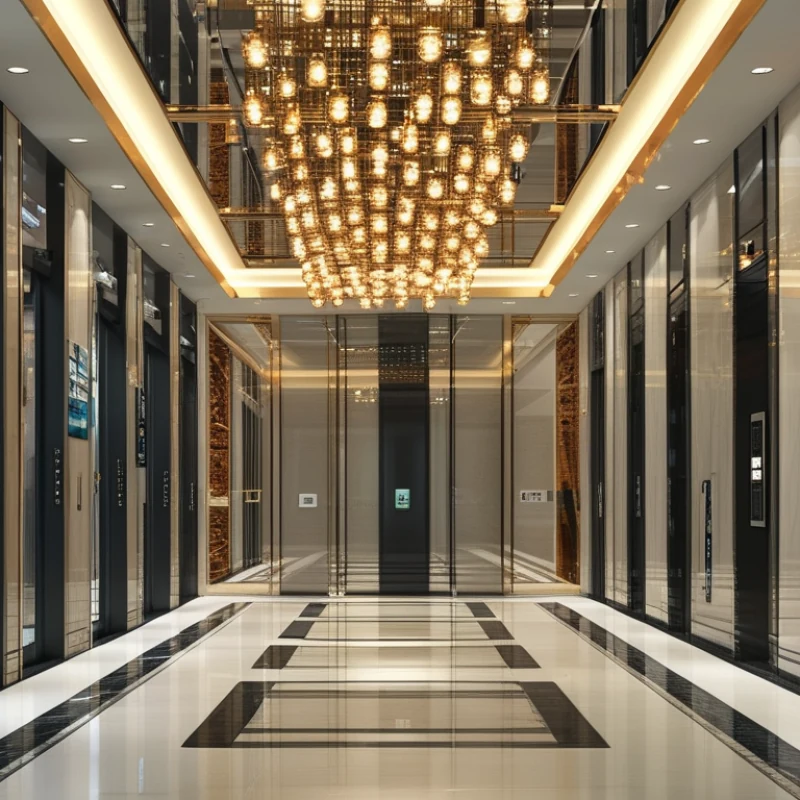
Understanding the Types of Elevator Components Available in the Market
When selecting elevator components, understanding the types available in the market is crucial. There are various types of components, including lift cars, control systems, and safety devices. Each component plays a vital role in the overall functionality and safety of the elevator. For instance, the car design affects the capacity and comfort level. According to a report by the Elevator World, companies that prioritize modern design see a 35% increase in user satisfaction.
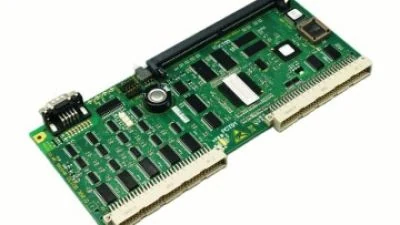
Control systems are equally essential. They encompass the way elevators communicate and operate. The choice between hydraulic and traction systems can influence energy consumption significantly. A study by the International Elevator and Escalator Federation revealed that a well-chosen control system can reduce energy costs by up to 20%. This highlights the importance of selecting the right system for your specific needs.
Safety components deserve careful consideration as well. Items such as emergency brakes and door sensors are non-negotiable. Inadequate safety measures can lead to severe accidents. A safety study showed that elevators equipped with advanced safety systems cut accident rates by 50%. Despite the data available, many still overlook the urgency of implementing these advanced safety technologies, which is a critical area for reflection.
Assessing Your Specific Needs for Elevator Operations and Applications
When selecting Elevator Components, it’s crucial to analyze your specific needs. Different operations require different systems. For instance, a residential elevator is not the same as a commercial one. According to industry reports, over 70% of elevator malfunctions are linked to component mismatches. Choosing standard components may save costs but might lead to inefficiencies.
Evaluate the expected traffic volume. High-rise buildings often need components that can handle heavier loads and faster speeds. A recent survey shows that 60% of commercial buildings prioritize speed and capacity in their elevator components. Think about the environment too. In a coastal region, humidity may affect the lifespan of certain materials. Understanding these factors is essential for reliable operations.
Regular maintenance and quality components are vital. Many components can seem adequate initially but may falter under heavy use. Up to 30% of major repairs stem from overlooked specifications. Prioritizing long-term performance over initial cost is a common pitfall. Analyze your building's needs carefully, and consult with experts if necessary. Making informed choices leads to safer, more efficient elevator systems.
How to Choose the Best Elevator Components for Your Needs?
| Component Type | Specifications | Recommended Usage | Average Lifespan | Maintenance Frequency |
|---|---|---|---|---|
| Elevator Controller | Microprocessor-based, supports IoT | Residential & Commercial Elevators | 10-15 years | Annually |
| Hoisting Mechanism | Rope-driven or hydraulic | Freight Elevators | 15-20 years | Every 6 months |
| Safety Systems | Overspeed governor and safety brake | All Elevators | 20+ years | Quarterly |
| Doors | Automatic Sliding or Swing | Passenger Elevators | 10-15 years | Annually |
| Control Panels | Touchscreen or Keypad | Commercial Applications | 5-10 years | Every 2 years |
Evaluating Quality and Safety Standards for Elevator Components
When choosing elevator components, evaluating quality and safety standards is crucial. The elevator industry has established various regulations to ensure components meet stringent safety measures. For instance, the American Society of Mechanical Engineers (ASME) sets forth codes related to elevator design and safety. Non-compliance with these standards can lead to serious accidents, making it essential to prioritize certified components.
Consider that approximately 70% of elevator malfunctions are attributed to substandard or outdated parts. This statistic highlights the need for careful selection based on quality certifications. Look for components that have ISO certifications as they demonstrate adherence to international safety standards. Regular inspections and maintenance are also vital, as they can identify potential risks before they escalate.
Tip: Always request documentation of quality assurance from suppliers.
Another critical factor is the manufacturer's reputation. Selecting components from recognized manufacturers can give you peace of mind. These companies often invest in research and development to improve safety and durability. Trustworthiness in the supply chain also matters; a reliable supplier will provide after-sales support and warranty options.
Tip: Evaluate customer reviews and case studies to gauge component performance.
Not all components are created equal, and overlooked aspects may lead to operational failures. Stay informed on safety trends to make educated choices. Be prepared to revisit your initial selections, as technology and standards evolve rapidly in this field.
Comparing Cost vs. Performance of Different Elevator Components
When choosing elevator components, cost and performance often clash. Elevator systems need reliable parts that can handle daily use. Low-cost options may seem appealing, but they often lack durability. For example, a cheaper motor might wear out quickly. This means higher replacement costs down the line. Investing in higher quality components often leads to long-term savings.
Bucket Elevator Components are a crucial part of this equation. They must withstand heavy loads and frequent use. Selecting the right material is essential. For instance, steel buckets offer longevity but may cost more than plastic. A balance must be found between initial investment and overall performance. Sometimes, a mid-range option could outperform a lower-cost model in efficiency.
One consideration is maintenance. Cheaper parts might require more frequent repairs. Unexpected breakdowns can disrupt operations, leading to lost revenue. Performance should not be sacrificed for price alone. Reflecting on your specific needs can help in this decision. Pay attention to the long-term implications of your choices. The ideal components should enhance both efficiency and reliability without breaking the budget.
Researching Reliable Manufacturers and Suppliers for Elevator Parts
When searching for reliable manufacturers and suppliers of elevator components, the process can often feel overwhelming. Selecting high-quality Hydraulic Elevator Components is crucial for ensuring safety and efficiency. According to a recent industry report, around 30% of elevator failures are attributed to subpar components. This data emphasizes the importance of choosing dependable suppliers.
Evaluate potential suppliers by reviewing their certifications and safety records. Look for manufacturers with ISO certifications or similar quality management systems. This guarantees that their products meet industry standards. Additionally, inquire about the testing processes involved in their production. Understanding the quality control measures they employ can help you make an informed decision.
Tips: Always ask for client references. Genuine testimonials can illuminate potential issues or advantages with a supplier. Research online reviews and forums where professionals discuss their experiences. Such insights can guide you in avoiding common pitfalls. Remember, investing time in research can yield substantial long-term benefits for your elevator systems.
Exploring Advanced Technologies in Elevator Component Design
When selecting elevator components, technology plays a crucial role. Innovations in materials and design are reshaping the industry. Modern components prioritize safety and efficiency. For example, advanced sensors in Elevator Door Components can detect obstructions. This feature greatly enhances user safety.
Another significant area of development is the integration of smart technology. Smart elevators use data analytics to optimize performance. They can adjust to usage patterns, reducing energy consumption. Moreover, remote monitoring systems ensure timely maintenance. However, these technologies also require careful implementation. Compatibility with existing systems can be a challenge for older buildings. The long-term reliability of these advancements is yet to be fully realized.
Investing in quality is essential, yet it comes with its share of uncertainties. New materials may promise durability but could lead to maintenance issues over time. Similarly, cutting-edge designs might not always translate to enhanced user experience. Balancing innovation with practicality is a constant struggle for designers and engineers in the field.
Considering Maintenance and Support Services for Elevator Systems
When choosing elevator components, maintenance and support services are crucial. According to the National Elevator Industry, proper maintenance can extend an elevator's lifespan by up to 50%. This emphasizes the importance of selecting components that come with reliable support services.
Many building managers overlook maintenance until an issue arises. Regular inspections and prompt repairs can minimize downtime and enhance safety. For instance, routine checks can identify potential failures before they escalate. A report from the Elevator World highlights that elevators with a proactive maintenance plan operate 20% more efficiently.
Tips: Always review the maintenance history of elevator components. A reliable supplier should provide documentation about their support services. Ask for case studies that highlight their response times and repair effectiveness. Remember, the best components are not just about performance; they are backed by trustworthy support. Another key point is to train maintenance staff adequately. This ensures they can identify issues early, reducing long-term costs.
Key Innovations in Elevator Control Systems: Insights from the 2022 Global Elevator Market Report
The evolution of elevator control systems has seen significant advancements, as highlighted in the 2022 Global Elevator Market Report. One of the key innovations in this area is the integration of smart technology, which enhances the efficiency and reliability of elevator operations. Intelligent algorithms now optimize route planning and reduce wait times, ensuring seamless movement within commercial and residential buildings. This shift toward smart elevators not only improves user experience but also contributes to energy conservation.
Another notable development is the implementation of predictive maintenance systems. By utilizing IoT sensors, these systems monitor the performance of elevator components in real-time, allowing for proactive maintenance. This approach minimizes downtime and extends the lifespan of the equipment, ultimately driving down operational costs. As the demand for high-performance and low-maintenance elevators continues to grow, these innovations in control systems become increasingly significant within the global market landscape.
FAQS
: Focus on balancing cost and performance. Quality components lead to long-term savings.
They may seem appealing, but often lack durability. This can lead to higher replacement costs.
Steel buckets offer durability but might be more expensive than plastic options.
Cheaper parts might need frequent repairs. This can disrupt operations and impact revenue.
Review certifications and safety records. ISO certifications indicate quality compliance.
Ask about their testing processes. Understanding this helps you make informed choices.
Yes, they can reveal potential issues or advantages. Genuine testimonials are important.
Research online reviews and professional forums. Insights from others can guide your choices.
Investing time in thorough research can yield substantial long-term benefits for your systems.
Conclusion
When choosing the best elevator components for your needs, it’s essential to start by understanding the various types available in the market. This includes assessing your specific operational requirements and applications, ensuring that the selected components align with your intended use. Quality and safety standards should be evaluated to guarantee reliable performance, with a clear comparison between cost and performance aspects of different options.
Additionally, researching reputable manufacturers and suppliers can help in sourcing high-quality elevator parts. It's also important to explore advanced technologies that enhance component design and functionality. Lastly, considering maintenance and support services is crucial for ensuring longevity and efficiency in your elevator systems. By focusing on these factors, you can make informed decisions about the elevator components that best suit your requirements.
Related Posts
-
Top Elevator Accessories You Need for Optimal Performance?
-

How 'Best Elevator' Manufacturing Thrives Amidst China-US Tariff Challenges: Insights and Data
-

2025 Top Lift Control Panel Features You Need to Know for Optimal Performance
-
What are Elevator Accessories and Their Importance in Modern Elevators
-

How to Choose the Right Elevator Components for Your Building?
-
How to Choose the Famous Best Elevator Components Company for Your Needs?