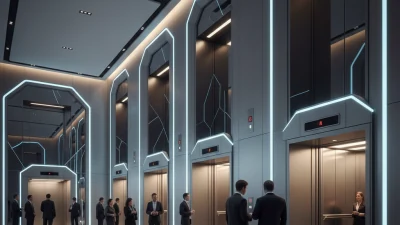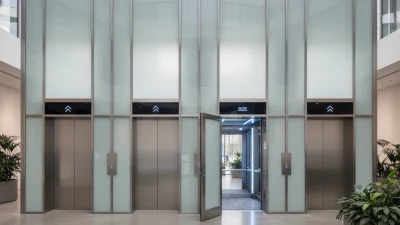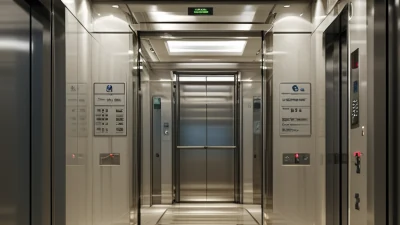

Picking the right kind of elevator doors isn’t just about looking good or fitting the space—it’s pretty much key to how well the elevator performs and,more importantly, keeping everyone safe. Think of the doors as the first line of defense between inside the elevator and the outside world. So, their design and how they work really matter to prevent accidents and keep things running smoothly. At Zhuhai Link Industrial, we’ve been around since June 2017, focusing on selling, installing, and maintaining complete elevator systems—so safety and efficiency are at the top of our list. We sell over 200 units a year, so we totally get how choosing the right doors, that match your needs and follow all the industry standards, can make a big difference. In this piece, I’ll walk you through the key things to consider when selecting elevator doors—so your investment ends up boosting safety and performance in the long run.
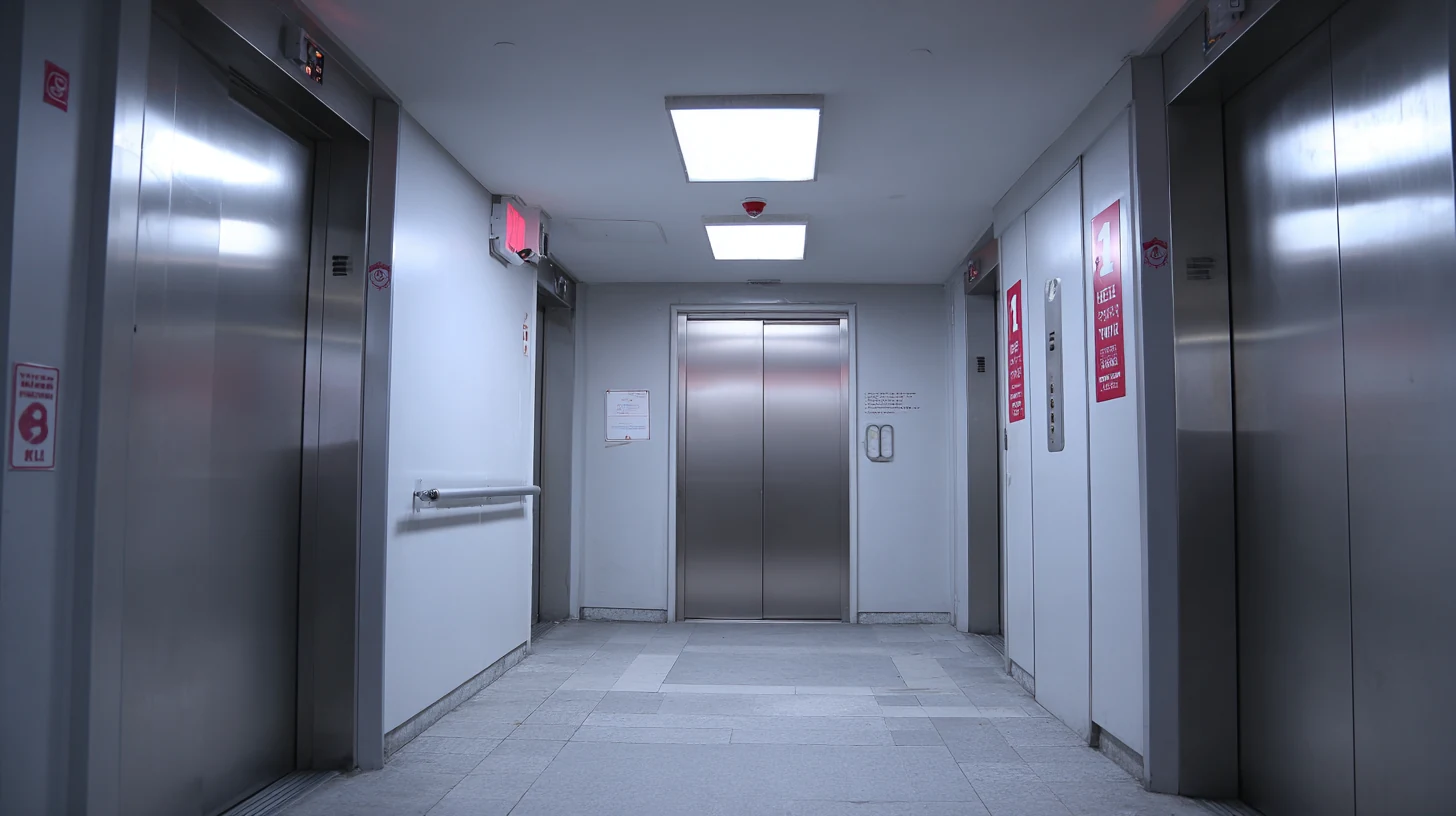
Understanding Different Types of Elevator Doors: Swing, Sliding, and Folding Options
When you're choosing elevator doors, it's really important to get a handle on the different types out there—like swing, sliding, and folding doors—and understand what each one’s good at. For example, swing doors are pretty much the classic choice, especially in smaller elevators or places where not many people are moving through—think low-traffic areas. They’re super simple to open and close, which is nice, but if you’re dealing with a tall building or lots of folks coming and going, they can be a bit slow, so not the best fit there.
Then there are sliding doors. These are gaining popularity, and for good reason—they’re really space-efficient and quick. Industry insiders say installed sliding doors can boost elevator access speed by up to 30%. That makes them perfect for busy spots like office buildings or airports. Plus, they tend to operate really smoothly and can be integrated with high-tech safety systems, which just adds to their performance.
And let’s not forget folding doors—these are kind of the clever solution for tight spots. They fold back on themselves, so you don’t need much room at all to get in and out. Recently, there’ve been some cool advancements in this area, like better locking mechanisms and safety features, which make them even more attractive. Staying up-to-date with new door designs and hardware can really help make sure your building’s doors are both safe and functional for whatever you need.
How to Choose the Right Elevator Doors for Optimal Safety and Performance
| Door Type | Safety Features | Performance Characteristics | Maintenance Requirements | Ideal Use Cases |
|---|---|---|---|---|
| Swing Doors | Emergency release features, edge sensors | Slower opening speed, manual operation possible | Quarterly inspections recommended | Low-rise buildings, freight elevators |
| Sliding Doors | Automatic closing, safety sensors | Faster opening and closing, space-efficient | Monthly maintenance checks | High-rise buildings, passenger elevators |
| Folding Doors | Multi-point locking, safety edge detection | Compact design, good for limited spaces | Biannual maintenance recommended | Small buildings, specialized access |
Evaluating Safety Standards in Elevator Door Design: Regulations and Compliance
When it comes to choosing elevator doors, safety standards and making sure everything lines up with regulations are absolutely crucial. The elevator industry is heavily regulated, with rules that can differ depending on where you are, all aimed at making sure elevators run safely and smoothly. Did you know that according to ISO (the International Organization for Standardization), there are over 5,000 elevator-related accidents each year? That really highlights just how important it is to follow safety guidelines when designing those doors. Some key rules, like the ASME A17.1/CSA B44 code, set out important requirements—things like fire resistance and emergency functions—to help keep everyone safe inside.
At Zhuhai Link Industrial Co., Ltd., we get how vital these regulations are, whether we’re selling, installing, or maintaining elevators. Our dedication to safety shows in how we strictly follow industry standards, making sure the doors we offer not only meet but often beat safety requirements. Studies show that elevators fitted with top-quality, compliant doors can cut down accident chances by up to 30%. That’s a huge deal because it boosts both safety and confidence for users. By staying up-to-date with the latest rules and weaving those into our products, Zhuhai Link is all about leading the way with safe, reliable elevator solutions that you can count on.
Impact of Door Materials on Safety and Performance: Steel vs. Aluminum vs. Glass
When you're picking out elevator doors, the materials used really matter — they're key to making sure everything’s safe and works well. Usually, you’re looking at steel, aluminum, and glass, and each has its own perks. 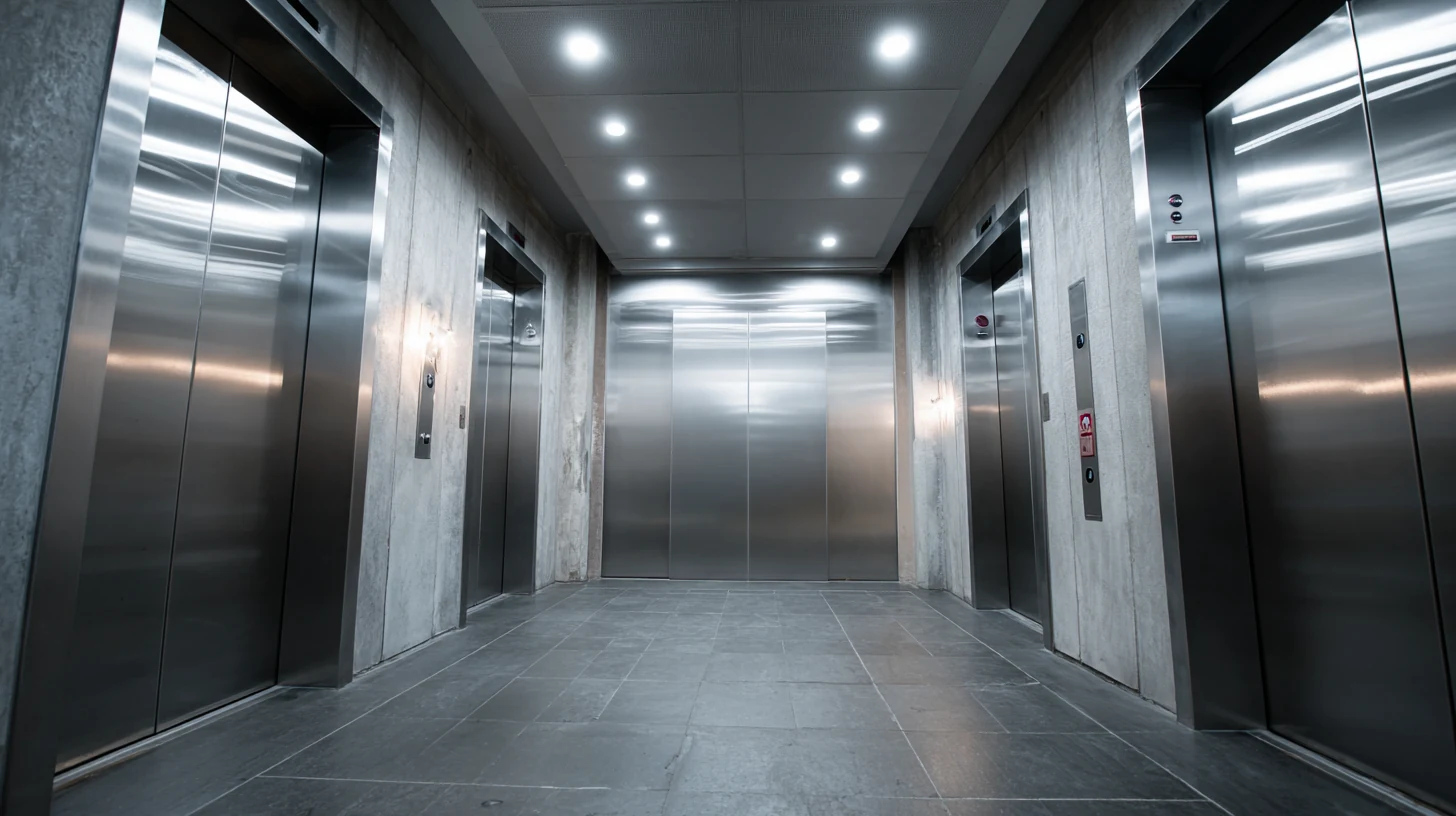 Steel doors, for example, are super tough. They resist impacts like a champ, making them a popular choice in busy places where security and durability are a big deal. They can handle rough treatment and are great at resisting fires, which makes them perfect for commercial buildings or industrial spots.
On the flip side, aluminum doors are lighter and give off a sleek, modern vibe. They're especially handy when weight matters or you want something that looks fresh and stylish. Plus, aluminum doesn’t corrode easily, so they tend to last longer — especially in humid or coastal areas. But, keep in mind, they might not be as resistant to impacts as steel.
And then there’s glass — oh, glass doors look so cool and modern, right? They really can boost the look of a building, letting in lots of natural light and making the space feel more inviting. The only thing is, safety is a concern since glass can break more easily.
So, choosing the right material is really about balancing safety, functionality, and how good it looks. It’s never just one thing — you’ve gotta weigh ‘em all out!
The Role of Door Sensors in Enhancing Elevator Safety and User Experience
Picking the right elevator doors is more important than you might think—it's all about safety and making sure everything runs smoothly. Thanks to how fast technology moves these days, door sensors have become pretty much a must-have. They really help keep accidents at bay by spotting obstacles in the way and stopping the doors from closing if something’s there. That way, passengers can get in and out without worries.
When you’re choosing elevator doors, it’s worth thinking about what kind of sensors they use—like infrared or pressure-sensitive ones. Each type has its own pros and cons when it comes to responsiveness and dependability. And don’t forget, it’s super important to double-check if the doors meet your local safety standards. Getting regular maintenance—something Zhuhai Link Industrial Co., Ltd. specializes in—can also do wonders for keeping everything working reliably.
A couple of tips for keeping things safe? Regularly test those door sensors to make sure they’re doing their job, and don’t forget routine inspections of the elevator doors themselves. It’s always a good idea to chat with pros who know their stuff—so you can pick the best door system that works effortlessly with modern sensors. And with Zhuhai Link having installed over 200 elevators each year, they really know how to deliver quality solutions that focus on safety and efficiency.
Maintenance Best Practices for Elevator Doors: Ensuring Longevity and Reliability
Taking good care of your elevator doors isn’t just about keeping things running—it actually helps them last longer and work more reliably. Did you know that roughly 20% of elevator problems stem from door issues? That’s why regular check-ups and maintenance are pretty much a must. Things like making sure the doors are aligned, sensors are working, and the closing speed is just right can make a big difference in how well they perform.
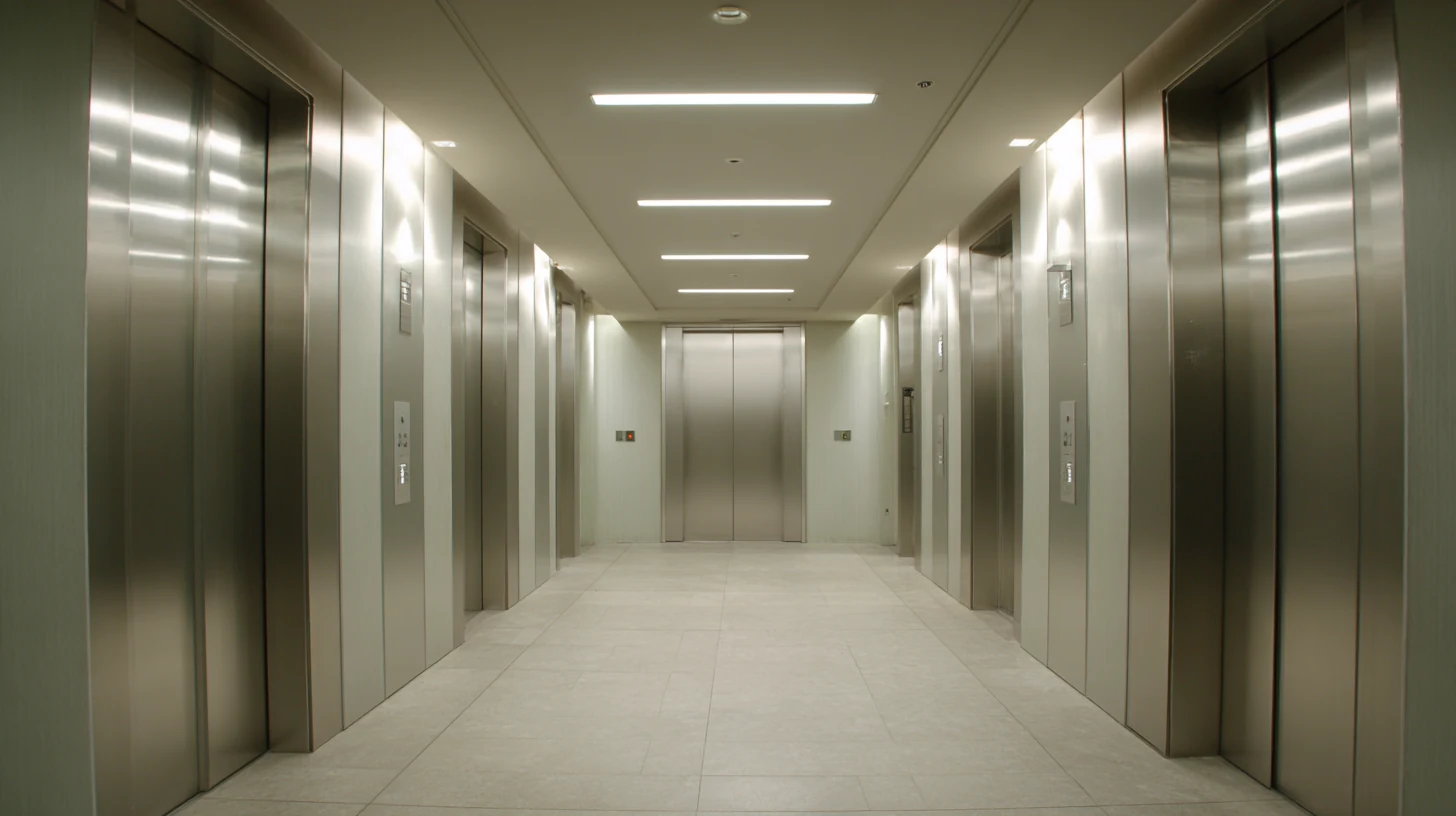
There’s evidence from industry studies that elevators scheduled with proactive maintenance can last up to 30% longer. It’s not just about everyday cleaning and lubrication, but also swapping out parts that are worn down before they cause trouble. Plus, sticking to the guidelines from the National Elevator Industry, Inc.—like doing inspections every six months—can really help keep everything running smoothly and avoid those pesky unexpected breakdowns.
If property managers focus on these simple but important practices, they can make sure their elevator doors stay safe, dependable, and efficient for years to come—no stress involved!
Maximizing Elevator Efficiency: The Role of the HD-9900Z Double Door Intercom and Automatic Switcher in KONE Systems
Maximizing elevator efficiency is crucial for modern building operations, and the integration of advanced technology plays a pivotal role in achieving this goal. The KONE HD-9900Z double door Intercom stands out as an exemplary innovation that enhances communication and accessibility within elevator systems. This state-of-the-art device facilitates seamless interaction between passengers and building management, ensuring that any issues can be addressed promptly. By incorporating the HD-9900Z intercom into the KONE system, building operators can significantly reduce wait times and improve overall user experience.
In tandem with the HD-9900Z, the automatic switcher further streamlines elevator operations. This component intelligently manages elevator traffic by analyzing user demand and optimizing car assignments accordingly. The switcher's capability to redirect passengers efficiently minimizes unnecessary stops and maximizes the elevator's capacity. Together, these technologies not only bolster operational efficiency but also contribute to energy savings, creating a more sustainable solution for high-rise buildings. By harnessing the advanced functionalities of the HD-9900Z intercom and automatic switcher, KONE systems are positioned to deliver superior elevator performance that meets the needs of contemporary urban environments.

FAQS
: The primary materials used for elevator doors are steel, aluminum, and glass, each offering distinct advantages in terms of safety and performance.
Steel doors are known for their exceptional durability, impact resistance, and excellent fire resistance, making them suitable for high-traffic environments where security is crucial.
Aluminum doors are lighter and provide a modern aesthetic, making them ideal for environments where design and weight are important. They are also resistant to corrosion, enhancing their longevity.
While glass doors offer a sleek look and allow for transparency, they can be more susceptible to breakage, which raises safety concerns.
Door sensors enhance elevator safety by detecting obstacles in the door’s path and halting movement if something is detected, ensuring safe entry and exit for passengers.
When selecting elevator doors, consider types of sensor technology such as infrared or pressure-sensitive sensors, as they offer different levels of responsiveness and reliability.
Regular maintenance, including testing the functionality of door sensors and performing routine inspections on elevator doors, enhances their performance and reliability.
It's important to ensure that door mechanisms comply with local safety regulations to guarantee adequate safety standards.
Zhuhai Link Industrial Co., Ltd. specializes in the regular maintenance of elevator systems, ensuring their performance and reliability, while also committing to quality solutions for safety and efficiency.
Consulting with professionals to select the best door type that integrates seamlessly with modern sensor technology is key to ensuring both safety and a smooth user experience.
Conclusion
Picking the right elevator doors isn’t just a matter of looks — it’s really about safety and making sure everything runs smoothly. In this article, I’ll walk you through the different types—like swing, sliding, and folding doors—and why sticking to safety rules and standards matters a lot. We’ll also look at how the materials, whether it’s steel, aluminum, or glass, can influence the durability and safety of these doors. Plus, I’ll mention how advanced sensors are actually making a difference in keeping things safe and giving users a better experience.
On top of that, regular maintenance is super important if you want your elevator doors to last and work reliably. If you follow some best practices and understand how these doors are designed, you can really improve both safety and efficiency. Here at Zhuhai Link Industrial Co., Ltd., we’re all about helping our clients find the perfect elevator doors — whether it’s sales, installation, or upkeep — making sure they meet safety standards and fit their specific needs.
So, in a nutshell, choosing the right doors and keeping them in good shape isn’t just smart — it’s essential for safe, reliable vertical transportation that people can actually trust.
Related Posts
-
Global Suppliers Choose Us for the Best Elevator Control Panels Made in China
-
The Ultimate Guide to Understanding Elevator Door Sensors for Enhanced Safety and Efficiency
-

7 Amazing Facts About Elevator Components You Didnt Know
-
Top Strategies for Sourcing Lift Control Panels: Maximizing Efficiency and Cost-Effectiveness in Global Procurement
-
How the Best Elevator Components Enhance Safety and Efficiency in High-Rise Building Applications
-

Mastering the Essentials: A Comprehensive Tutorial on the Best Elevator Display Boards for Global Buyers