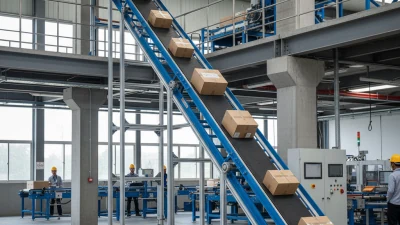
As industries keep changing, the need for more efficient material handling options just keeps growing. The Conveyor Belt Elevatorreally stands out as a pretty essential piece of equipment—think factories, wArehouses, and distribution centers. Companies are all about finding ways to streamline their operations, and picking the right model is a big part of that.
Looking ahead to 2026, we can expect some exciting tech and design upgrades. These could make the elevators work better, be more reliable, and even safer. Sure, there are tons of Conveyor Belt Elevator models out there, but figuring out which one fits your needs best? That's the tricky part. Brands like FlexLink and Dorner are already known for their quality, but each model has its own perks, so it pays to look closely.
Honestly, choosing the right system isn’t always a no-brainer. It’s a good idea to really think about what your specific needs are and where your business might go in the future. Not every elevator system will be a perfect fit for every operation, and that’s totally worth considering. Finding the sweet spot between cost, efficiency, and functionality makes a big difference. At the end of the day, if you pick the right conveyor solution, it can seriously pay off in the long run.
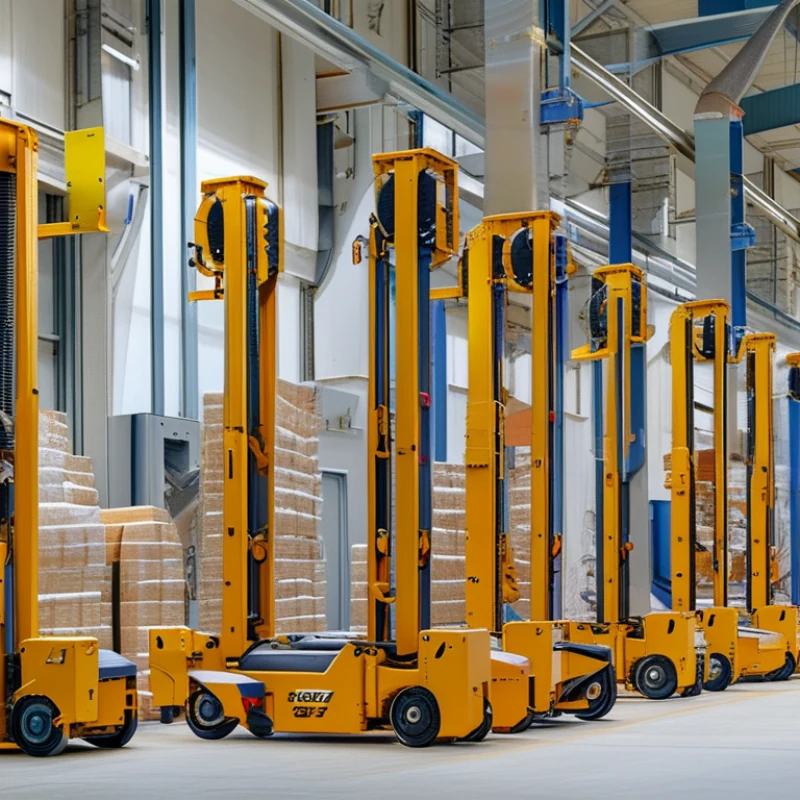
Overview of Conveyor Belt Elevators in 2026
In the evolving market of 2026, conveyor belt elevators play a crucial role in material handling. According to a recent IBISWorld report, the global market for conveyor systems is projected to grow by 4.5% annually. This growth is driven by increased automation in various sectors, particularly manufacturing and logistics. The design of conveyor belt elevators has significantly improved, emphasizing efficiency and safety—two central themes for businesses.
User experience is a vital aspect of these systems. Advanced models now feature user-friendly interfaces and enhanced control mechanisms. Some models even incorporate IoT technology for real-time monitoring. However, not all systems are perfect, as maintenance remains a challenge. Users often report inconsistencies in service life and operational hours. A report from the Material Handling Industry association highlighted that nearly 30% of equipment failures result from inadequate maintenance practices.
Sustainability also plays a pivotal role in the development of conveyor belt elevators. In 2026, more manufacturers are focusing on eco-friendly materials and energy-efficient designs. Research indicates that 65% of companies prioritize sustainable solutions in their procurement process. As industries adapt to these changes, choosing theBest Conveyor Belt Elevator that aligns with their operational needs becomes paramount. This pivotal decision may shape efficiency and sustainability in their operations for years to come.
Top Conveyor Belt Elevator Models You Should Consider in 2026
| Conveyor Belt Models | Load Capacity (kg) |
|---|---|
| Model A | 150 |
| Model B | 200 |
| Model C | 250 |
| Model D | 180 |
| Model E | 220 |
Key Features to Look for in Conveyor Belt Elevator Models
When considering conveyor belt elevators for 2026, focus on features that enhance efficiency and safety. A report from the Material Handling Industry of America (MHIA) states that a well-designed conveyor system can improve productivity by up to 30%. Key features include modular designs, which allow for quick customization and scalability. Modular systems adapt to different loads and requirements without significant downtime.
Safety is paramount in any material handling system. Look for models equipped with advanced sensor technologies. Sensors can detect misalignments or blockages, reducing the risk of accidents. According to a study by the National Institute for Occupational Safety and Health (NIOSH), conveyor-related injuries account for roughly 7% of all workplace injuries. Elevators designed with safety in mind can mitigate these risks effectively.
Efficiency is also about energy consumption. Choose models with energy-efficient motors and eco-friendly materials. These features not only lower operational costs but also align with sustainability goals in industrial practices. Remember that reliability is crucial; regular maintenance schedules should be considered. An elevator that frequently malfunctions can lead to costly delays and impact overall productivity. It's essential to invest thoughtfully in this technology.
Top Conveyor Belt Elevator Brands and Their Innovations
Innovations in conveyor belt elevators are transforming the industry. Many brands focus on enhancing efficiency and safety while improving user experience. For example, advanced sensors now detect weight imbalances, preventing accidents. Brands prioritize sustainability by using eco-friendly materials in their belt designs. This marks a shift toward a more responsible approach to manufacturing.
Some Famous Conveyor Belt Elevator models feature unique designs that reduce noise and vibration during operation. This innovation creates a more pleasant working environment. Additionally, automation is increasing in significance. Automated systems ensure smooth operation and reduce the need for manual intervention. Regular maintenance and upgrades are also crucial for optimal performance.
Yet, there are challenges. As brands push for innovation, cost management becomes essential. Balancing cutting-edge technology with affordability is key. Not all brands excel in this aspect. Users must carefully evaluate options based on their specific needs. The right choice of conveyor belt elevator can greatly impact productivity and operational efficiency.
Comparison of Performance Metrics for Leading Models
When evaluating conveyor belt elevators, performance metrics play a crucial role. Factors like load capacity, speed, and energy efficiency should guide your choice. Leading models in 2026 are designed to cater to a range of industries. An ideal conveyor belt elevator balances strength and speed, optimizing workflow without compromising safety.
Experience shows that operational efficiency is essential. Assessing energy consumption is vital. Some models may promise high speed but use excessive energy. Look for a balance that ensures productivity while being cost-effective. Consider how different angles of inclination affect load handling. An elevator that performs well at various angles offers more versatility.
In selecting a High-Quality Conveyor Belt Elevator, inspect materials used in manufacturing. Durability is crucial for long-term productivity. Rely on feedback from operators who rely on these systems daily. They can provide insights that data alone may not capture. Rethink models that appear robust but have hidden flaws. Continuous reflection on performance metrics can reveal areas for improvement. Keep these aspects in mind for smarter, informed decisions in your search for conveyor belt elevators.
Cost Analysis: Budgeting for Conveyor Belt Elevators
When budgeting for conveyor belt elevators, it's essential to evaluate the overall costs. The initial investment can be substantial. It includes the price of the elevator systems, installation, and maintenance. However, consider the long-term benefits. Efficient elevators can reduce labor costs and enhance productivity.
In your cost analysis, factor in the operating expenses. Electricity consumption plays a significant role. A conveyor belt elevator operates continuously, so energy efficiency is key. Choose models designed for lower energy use to save money. Remember to assess how frequently the elevator will be used. Higher usage might justify a pricier model with advanced features.
Before making a decision, research reliable suppliers. Understanding the different models is crucial. Visit a Conveyor Belt Elevator Factory for firsthand insights. Evaluate various designs and features. This allows for a clearer picture of what fits your needs. Analyze the warranty and support offered. These elements are often overlooked but are vital for long-term sustainability.
Maintenance Considerations for Conveyor Belt Elevators
Maintaining conveyor belt elevators is crucial for their optimal performance. Regular inspections can identify wear and tear before they escalate into major issues. Check for any misalignment in the belt and ensure it runs smoothly. Regular lubrication of moving parts can extend the lifespan of the elevator. However, maintenance can be time-consuming, which may lead to delays.
Operators should pay close attention to electrical systems. A frequent cause of downtime is electrical failure. Ensure all connections are secure and test the system regularly. It's common for older models to experience issues in these areas. Addressing problems early on can prevent costly repairs later.
While many might overlook the impact of environmental factors, they significantly affect elevator performance. Dust, humidity, and temperature variations can lead to belt degradation. Regular cleaning and monitoring of the operating conditions is necessary. Awareness of these factors helps in planning effective maintenance schedules.
Top Conveyor Belt Elevator Models You Should Consider in 2026 - Maintenance Considerations for Conveyor Belt Elevators
| Model | Load Capacity (lbs) | Elevator Height (ft) | Belt Width (in) | Maintenance Frequency (months) | Recommended Parts Replacement (years) |
|---|---|---|---|---|---|
| Model A | 2000 | 30 | 24 | 6 | 3 |
| Model B | 1500 | 25 | 18 | 4 | 2 |
| Model C | 1800 | 28 | 20 | 5 | 2.5 |
| Model D | 2200 | 32 | 30 | 7 | 4 |
| Model E | 1600 | 26 | 22 | 5 | 3 |
Future Trends in Conveyor Belt Elevator Technology
As we move towards 2026, conveyor belt elevator technology is set to evolve significantly. The focus will be on enhanced efficiency and lower energy consumption. Many models will integrate smart sensors. These sensors can track load weights and adjust power usage accordingly. This innovation will decrease operational costs while improving safety.
Moreover, sustainability will play a key role. Many companies are exploring eco-friendly materials for conveyor belts. Recyclable polymers and biodegradable options are gaining traction. This shift not only benefits the environment but also meets consumer demands for greener products.
However, there are challenges to consider. The transition to advanced technologies requires significant investment. Businesses must weigh immediate costs against long-term benefits. Manufacturers will need to ensure that training is provided. Without proper knowledge, the potential of new systems may go unrealized. Understanding the balance between innovation and practicality is crucial for success.
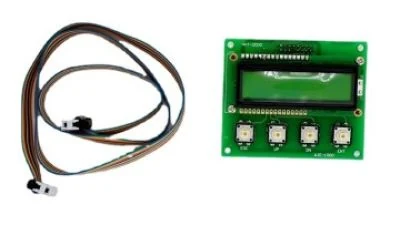
Transforming Elevator Operations: The Impact of STVF7 Server Modern Board and HHT-2000 on Efficiency and Safety in Vertical Transportation
The evolution of elevator operations has been marked by significant advancements in technology, particularly with the introduction of modern systems like the STVF7 Server and the HHT-2000. These innovations have transformed the landscape of vertical transportation, providing not only enhanced efficiency but also improved safety measures for both passengers and service personnel.
The STVF7 Server, with its robust capabilities, streamlines the management of elevator operations, allowing for real-time monitoring and adjustments. This results in reduced wait times and optimized ride experiences, crucial factors in high-traffic environments such as commercial buildings and residential complexes. Additionally, the system's ability to gather and analyze data contributes to predictive maintenance, ensuring that any potential issues are addressed before they affect operations, further enhancing safety.
On the other hand, the HHT-2000, a handheld terminal, empowers maintenance personnel with instant access to critical information about the elevator systems. Its user-friendly interface enables technicians to perform diagnostics and troubleshooting swiftly, minimizing downtime. Together, these technologies not only boost operational performance but also set a new standard for safety protocols in elevator management, reinforcing the commitment to ensuring secure, efficient vertical transportation solutions.
FAQS
: Focus on load capacity, speed, and energy efficiency. Balance strength with safety for optimal performance.
Poor maintenance can lead to frequent failures. About 30% of equipment issues arise from inadequate care.
Increased automation and sustainability drive innovation. More companies seek eco-friendly and efficient designs.
User-friendly interfaces and control mechanisms enhance efficiency. Advanced models often include real-time monitoring capabilities.
Evaluate initial and operating expenses. Energy consumption is significant; choose models that save electricity.
Regularly assess energy use and workflow efficiency. A model’s speed shouldn’t compromise overall productivity.
Continuous reflection on performance can highlight improvement areas. Don’t ignore feedback from daily users.
Companies prioritize eco-friendly materials and designs. This choice impacts long-term operational efficiency and costs.
These elements are crucial for long-term sustainability. Evaluate them before finalizing your selection.
Conclusion
In 2026, Conveyor Belt Elevators are set to play a crucial role in various industries, emphasizing efficiency and reliability. An overview of these elevators highlights significant advancements, including enhanced loading capacities and automation features. When selecting a model, key features such as speed, safety, and adaptability to different materials should be prioritized.
A careful comparison of performance metrics reveals that leading models boast exceptional efficiency and durability. Cost analysis is essential for budgeting purposes, as prices can vary significantly based on features and technology. Maintenance considerations, including regular inspections and part replacements, are crucial to ensure optimal performance. Lastly, future trends suggest an integration of smart technologies and sustainable designs, pushing Conveyor Belt Elevators towards greater innovation and environmental responsibility.
Related Posts
-

How 'Best Elevator' Manufacturing Thrives Amidst China-US Tariff Challenges: Insights and Data
-

Future of Elevator Technology in 2025 Embracing Best Anti-Microbial Solutions
-
2026 Top Energy Saving Elevator Motors You Should Know?
-
Top 10 Elevator Repair Tips You Need to Know Now
-

Best Elevator Display Board Features and Benefits Explained?
-

Understanding the Importance of Elevator Wall Protection Pads for Safety and Maintenance