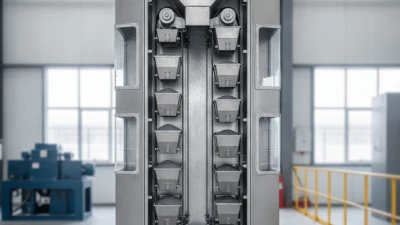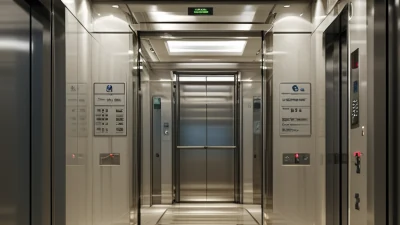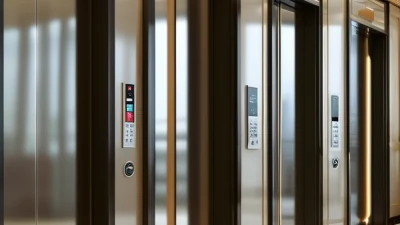
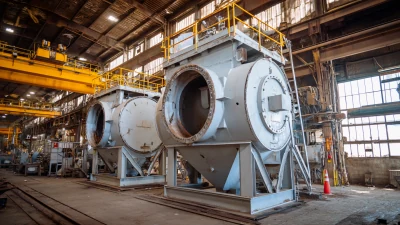
In the world of material handling, bucket elevators are honestly pretty much essential for moving bulk materials efficiently. Their success really depends on the quality of the parts used—they’re a big deal! If you’ve read industry reports, you might have seen that the global market for bucket elevators is expected to hit around $3.5 billion by 2025, thanks to increased demand in industries like agriculture, mining, and construction.  Here at Zhuhai Link Industrial Co., Ltd., we've been around since 2017. We handle everything from sales to installation and maintenance of full elevators, and we also offer custom solutions for bucket elevator parts. We’re proud to sell over 200 units a year, and our goal is always to provide unique, reliable options that help boost efficiency and cut down on downtime in different industrial setups. In this blog, I want to share some fresh ideas for sourcing and using those bucket elevator components, making sure your systems stay running at their best.
Identifying Common Challenges in Bucket Elevator Parts Selection
Picking the right parts for your bucket elevator can actually feel pretty overwhelming at times, especially with all the challenges out there. One of the biggest headaches is making sure everything’s compatible—like, the buckets, belts, and pulleys all need to play nicely together for everything to run smoothly. If things aren’t aligned or if you use the wrong materials, you might end up replacing parts a lot sooner than expected, which can really hit your wallet with costly downtime. So, it’s super important for operators to really get a handle on what their specific setup needs before diving into any purchases.
Another tricky part is finding tough, long-lasting materials that can stand up to the harsh conditions these elevators face. They’re often dealing with abrasive stuff and extreme environments that can chew through components pretty quickly. When choosing materials, you’ve gotta think about things like temperature swings, humidity, and chemical exposure. Sure, going for high-quality, specialized parts might cost a bit more upfront, but in the long run, it’s usually worth it because they cut down on maintenance and unexpected breakdowns. Honestly, considering these factors carefully can save you a lot of trouble down the road.
Innovative Materials for Enhanced Durability in Bucket Elevators
When it comes to making bucket elevators last longer and work better, choosing the right materials is a pretty big deal. You know, traditional stuff like steel is still common, but it can wear out or even corrode over time, which means more repairs and more downtime — total pain. I read somewhere (through a report from the recent International Material Science Conference) that about 30% of bucket elevator failures happen because of material fatigue. That really drives home the point — we need new, smarter materials that can handle the stress of everyday use and also last longer.
Lately, the industry’s been seriously buzzing about using advanced composites and high-strength polymers. For example, there's this study in the Journal of Plastics Engineering that shows how polymer-based parts can cut weight by up to 40%. Plus, they’re tougher against abrasions and chemicals. These upgrades aren’t just about durability — they help save energy too. Lighter parts can boost efficiency by as much as 25%. It’s pretty exciting to see how innovation in materials is really paving the way for better, longer-lasting bucket elevators.
Understanding Different Bucket Types for Optimal Performance
When you're trying to get the best performance out of a bucket elevator, it’s really important to understand the different kinds of buckets out there. Each type is designed for specific materials and uses, and choosing the right one can make a pretty big difference in how efficiently you handle bulk materials. I read somewhere that, according to the Conveyor Equipment Manufacturers Association (CEMA), picking the right bucket can boost your transport speed by up to 25% and also help cut down on material spoilage or damage.
At Zhuhai Link Industrial Co., Ltd., we know how crucial it is to pick the right bucket design—whether it's standard, low-profile, or heavy-duty—to match what our clients really need for their operations. We started back in 2017, and since then, we've been focused on providing top-notch elevator solutions. We’ve sold over 200 units a year, which honestly shows how committed we are to quality and making sure everything runs smoothly. Our team walks customers through all the details about different bucket types, making sure each part is customized to improve performance and stick to industry standards. At the end of the day, it’s all about helping you run your bulk material handling systems more smoothly and efficiently.
Evaluating Cost-Effectiveness in Bucket Elevator Part Alternatives
When it comes to choosing the right parts for a bucket elevator, cost is definitely a big deal for manufacturers and operators alike. A recent report from the Conveyor Equipment Manufacturers Association (CEMA) pointed out that the total cost of owning a bucket elevator really depends on the materials and components you pick. For example, traditional steel parts might seem cheaper upfront, but they can wear out pretty fast and are prone to rust, which means more maintenance down the line—and those costs add up. On the other hand, investing a bit more in high-performance plastics can actually pay off in the long run. They last longer, reduce downtime, and often give you a better bang for your buck over time.
Plus, a study from the International Bulk Material Handling Association (IBMHA) shows that modular designs for bucket elevator parts are becoming pretty popular. These systems are not only easier to assemble, but they can also save a lot of money—sometimes up to 20% compared to traditional setups. By weighing different materials and designs carefully, companies can fine-tune their bucket elevators to be more efficient and cost-effective. Taking this kind of proactive approach helps stick to budgets while also boosting overall performance, which is a real win in today’s competitive market.
Maintenance Best Practices for Prolonging Bucket Elevator Lifespan
Keeping your bucket elevator in good shape is pretty important if you want it to last and run smoothly. It’s a good idea to do regular check-ups as part of your routine maintenance — this way, you catch any wear and tear before they turn into big problems. Take a close look at things like belts, buckets, and pulleys to see if there's any damage or if they’re out of alignment. Also, don’t forget to keep an ear out during operation — strange noises can be a sign that something’s not right, and catching that early can save you headaches later.
Lubrication is another big deal. Properly greasing the moving parts helps cut down on friction and slows down wear and tear. Just make sure to follow the manufacturer’s recommendations on how often to lubricate and what type of lubricant to use. And yeah, staying on top of cleaning is just as important— it prevents material buildup that can cause blockages or mess with how well everything works. By sticking to these simple tips, you’ll be able to extend your bucket elevator’s life and keep it running reliably for the long haul.
Custom Solutions: Tailoring Bucket Elevators to Unique Applications
In today’s industrial world, finding the right custom bucket elevator isn’t just a fancy perk anymore — it’s pretty much essential. Every application seems to throw its own curveball, whether it's dealing with different kinds of materials or fitting into tight spaces. Companies are starting to ditch the cookie-cutter solutions and are instead going for designs that are specifically tailored to what they need. When you really take the time to understand what kind of materials you’re moving and their characteristics, manufacturers can build bucket elevators that work better, faster, and more reliably.
Tip: When you're talking with your supplier about your bucket elevator, don’t forget to consider the weight and type of the materials. These details are super important because they'll influence things like how big or small the buckets should be, their shape, as well as how fast and high the elevator needs to go. Chatting about these specifics upfront can save you headaches later on.
And it’s not just about size and shape — what you make the elevator out of matters just as much. The environment you’re operating in can demand special coatings or tougher materials to fight off corrosion or wear and tear. Picking the right materials and ensuring they match your operational setup is key if you want your elevator to last and perform well.
Tip: It’s a smart move to talk with engineers who really know their stuff about bulk material handling when choosing materials. They can help you make smarter choices that keep things running smoothly and avoid costly downtime down the line.
Elevator Safety and Efficiency: The Impact of WECO XO-K6 Light Curtain Lift Accessories on Operational Performance
Elevator systems are a critical aspect of modern infrastructure, and ensuring their safety and efficiency is paramount for both operators and passengers. The WECO XO-K6 Light Curtain Lift accessories play a significant role in enhancing operational performance by providing a reliable safety mechanism that prevents accidents during lift operation. These advanced light curtains create an invisible safety barrier around the elevator doors, effectively detecting any obstacles that may hinder safe door closure. This proactive measure not only prevents injuries but also maintains smooth and uninterrupted operations, making elevators more reliable.
The range of WECO XO-K6 accessories, including models like XAA24590AM4, XAA24590AM2, XAA24590AM7, XAA24590AM8, XAA24590AM9, and XAA24590AX2, showcases the versatility and adaptability of this technology. Each model is designed to cater to various elevator configurations and settings, ensuring that facilities can implement the best safety solutions tailored to their specific needs. Moreover, these light curtains contribute to minimizing downtime, ultimately improving efficiency. By integrating WECO's advanced solutions, building managers can enhance user experience, knowing that safety is prioritized without sacrificing the speed of operations.
The implementation of the XO-K6 series not only advances safety protocols but also reflects a commitment to adopting innovative technologies in elevator systems. As buildings continue to evolve, it’s essential to integrate such accessories to meet safety standards and operational demands, proving that a focus on safety can lead to greater overall efficiency.
FAQS
: Traditional materials for bucket elevators include steel, which is susceptible to wear and corrosion.
Innovative materials like advanced composites and high-strength polymers enhance durability by resisting abrasion and chemicals, reducing weight, and extending component life cycles.
High-performance polymer-based components can reduce the weight of bucket elevators by up to 40% and improve operational efficiency by enhancing resistance to wear.
Cost-effectiveness is crucial because selecting the right materials can significantly affect the total cost of ownership, including maintenance expenses and operational downtime.
Modular designs enhance assembly efficiency and can lead to savings of up to 20% compared to conventional systems, making them a cost-effective option for manufacturers.
Factors such as the weight and type of materials being handled, the specific spatial constraints, and environmental conditions should all be considered to optimize performance and efficiency.
Consulting with specialists helps ensure the selected materials and designs are compatible with operational processes, which can prevent costly downtimes.
Specific coatings can provide additional protection against corrosion and wear, which is essential for maintaining the longevity and effectiveness of bucket elevators in various environments.
Conclusion
When you're on the hunt for the best bucket elevator parts, it's really important to know the common hurdles folks run into during the selection process. Things like how long the parts last, whether they're worth the cost, and if they’re a good fit for your specific needs all matter a lot. Using new, innovative materials can really boost the durability of bucket elevators, helping them stand up to tough operational conditions. Plus, getting a good handle on the different types of buckets out there means you can customize the setup to match what your industry actually requires—making things run smoother and more efficiently.
On top of that, taking care of your equipment with proper maintenance routines is key for making sure your bucket elevator keeps working well for years to come. When businesses tailor solutions to their particular operations, they often see better efficiency and fewer breakdowns. At Zhuhai Link Industrial Co., Ltd., we’re all about selling, installing, and maintaining these elevators, and we’re committed to helping our customers find the best, most innovative parts out there to tackle their specific challenges.
Related Posts
-
Elevating Global Standards in Lift Control Panels with Quality Chinese Manufacturing
-

Challenges in Ensuring High Quality Elevator Service
-
Future of Elevator Technology in 2025 Embracing Best Anti-Microbial Solutions
-

Mastering Elevator Safety: Essential Techniques for Choosing the Best Elevator Switch
-

7 Compelling Reasons to Choose the Best Elevator Switch for Your Projects
-

How to Choose the Best Elevator Control Panel for Your Business Needs