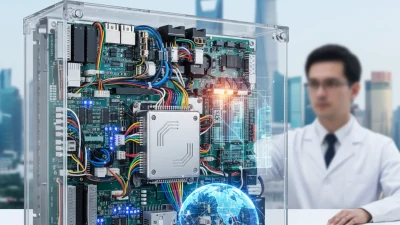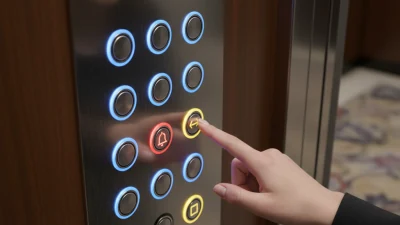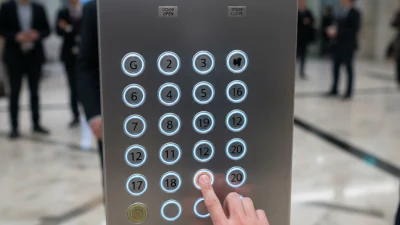
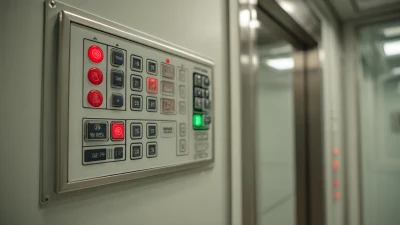
Lately, the Lift control panelhas really come into its own as a key part of how elevators are evolving. It’s not just about moving people up and down anymore — it’s all about making the whole experience smoother and more efficient. If you look at industry stats, theglobal market for elevator control systems is expected to hit around 15 billion US dollars by 2027. That growth is mainly thanks to new smart tech and automation making everything more seamless. Companies like Zhuhai Link Industrial Co., Ltd., which started up in mid-2017, are at the forefront of this shift. They’re heavily involved in selling, installing, and maintaining elevators — and they’re pretty busy, with over 200 units sold each year. Knowing how important the lift control panel is really helps you understand the tech leaps happening in this industry. Plus, it shows how much more these systems are improving safety, saving energy, and making elevators more accessible for everyone in modern buildings.
The Evolution of Lift Control Panels: A Historical Perspective
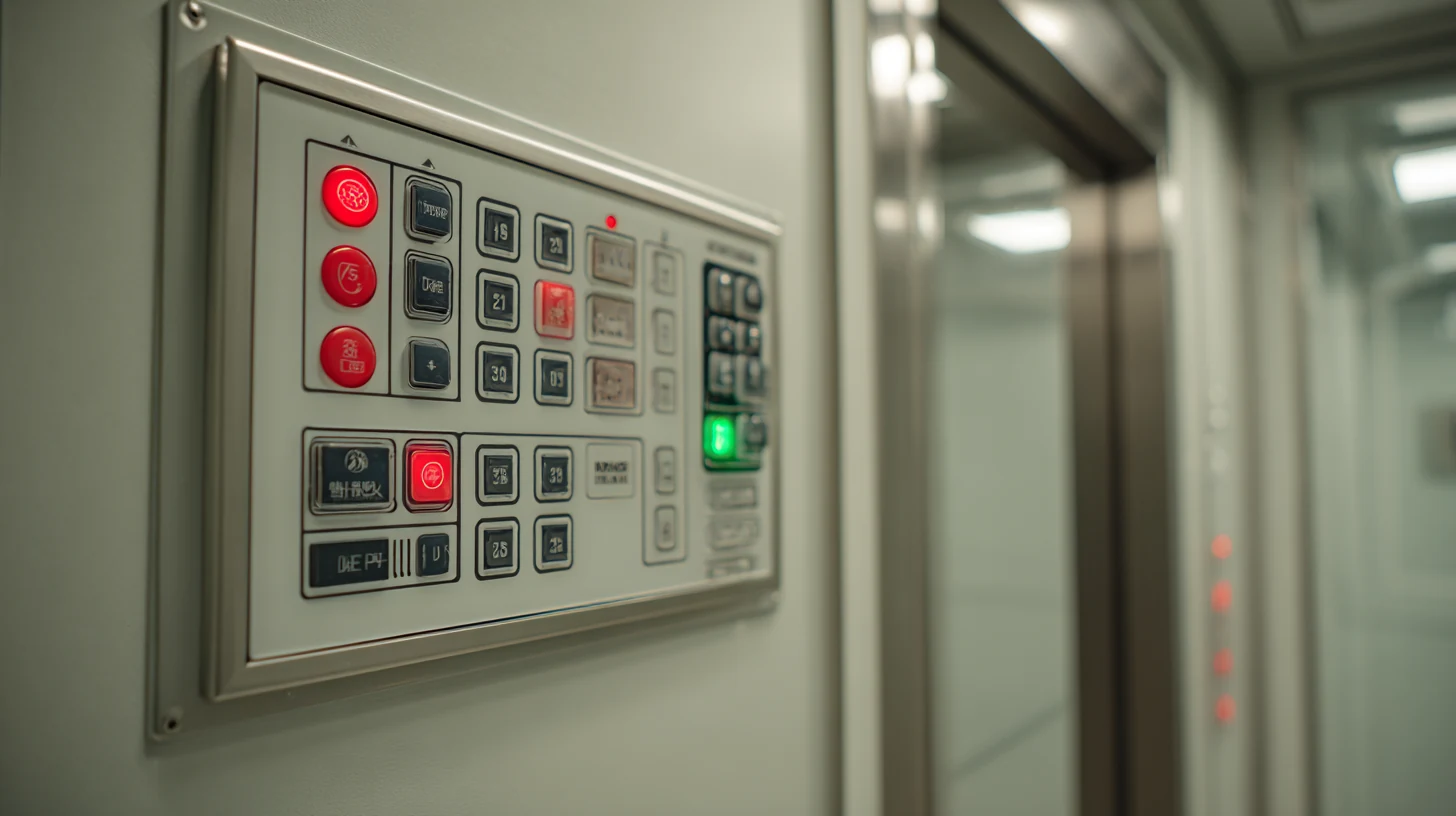
You know, the way lift control panels have evolved really changed the game for vertical transportation. It all started back during the industrial revolution when lifts were basically operated by hand—imagine that! As cities started to grow and get more crowded, the need for smoother, more efficient lifts became pretty clear. That’s when they first brought in basic control systems. Fast forward to the mid-1900s, and we saw the rise of electromechanical systems, which made elevators more reliable and safer to use. In fact, a report from the International Organization for Standardization (ISO) mentions that thanks to these tech advancements, malfunction rates have dropped by over 30%. Pretty impressive, right?
Today, lift control panels are not just about getting the elevator to work—they’re smarter than ever. They now feature high-tech features like real-time monitoring and predictive maintenance, which means problems can be caught early. The shift to microprocessor-based systems has also opened the door for cool stuff like keycard access, destination dispatching, and even energy-saving modes. According to a market study by Technavio, the global smart elevator market is forecasted to grow by around 8% each year. That just shows how important these advanced control panels are becoming for shaping the future of smart urban infrastructure.
A couple of tips if you’re looking into upgrading or designing new lift systems: consider investing in smart control panels that are energy-efficient—they can really cut down operational costs and improve the experience for users. And don’t forget, keeping up with regular maintenance and software updates is key to avoiding unexpected breakdowns and keeping everything safe and smooth for everyone riding up and down.
Key Features of Modern Lift Control Panels and Their Benefits
Modern elevator control panels are pretty much the backbone when it comes to making vertical transportation safer and more efficient. One of the coolest features these days is their touch screen interfaces—they really make interacting with the elevator much smoother and more intuitive. According to a report from the International Association of Elevator Engineers, plugging smart tech into these panels can cut down wait times by as much as 30%. That’s a big deal, especially in busy places like office towers or shopping centers where every second counts and quick elevator access can make a huge difference for folks trying to get somewhere fast.
Plus, these new panels do more than just look fancy. They actually monitor the elevators in real-time, tracking everything from usage patterns to maintenance needs. This means building managers can spot potential problems early and schedule repairs before stuff breaks down, which helps keep things running smoothly and cut down on unexpected downtime. A study by the Global Lift and Escalator Industry (GLEE) even found that using these smart systems for predictive maintenance can slash maintenance costs by around 20%. All in all, by leveraging data, these panels help make elevators safer, more dependable, and ultimately improve the overall performance of the building—that’s a win for everyone involved.
How Lift Control Panels Enhance User Experience and Safety
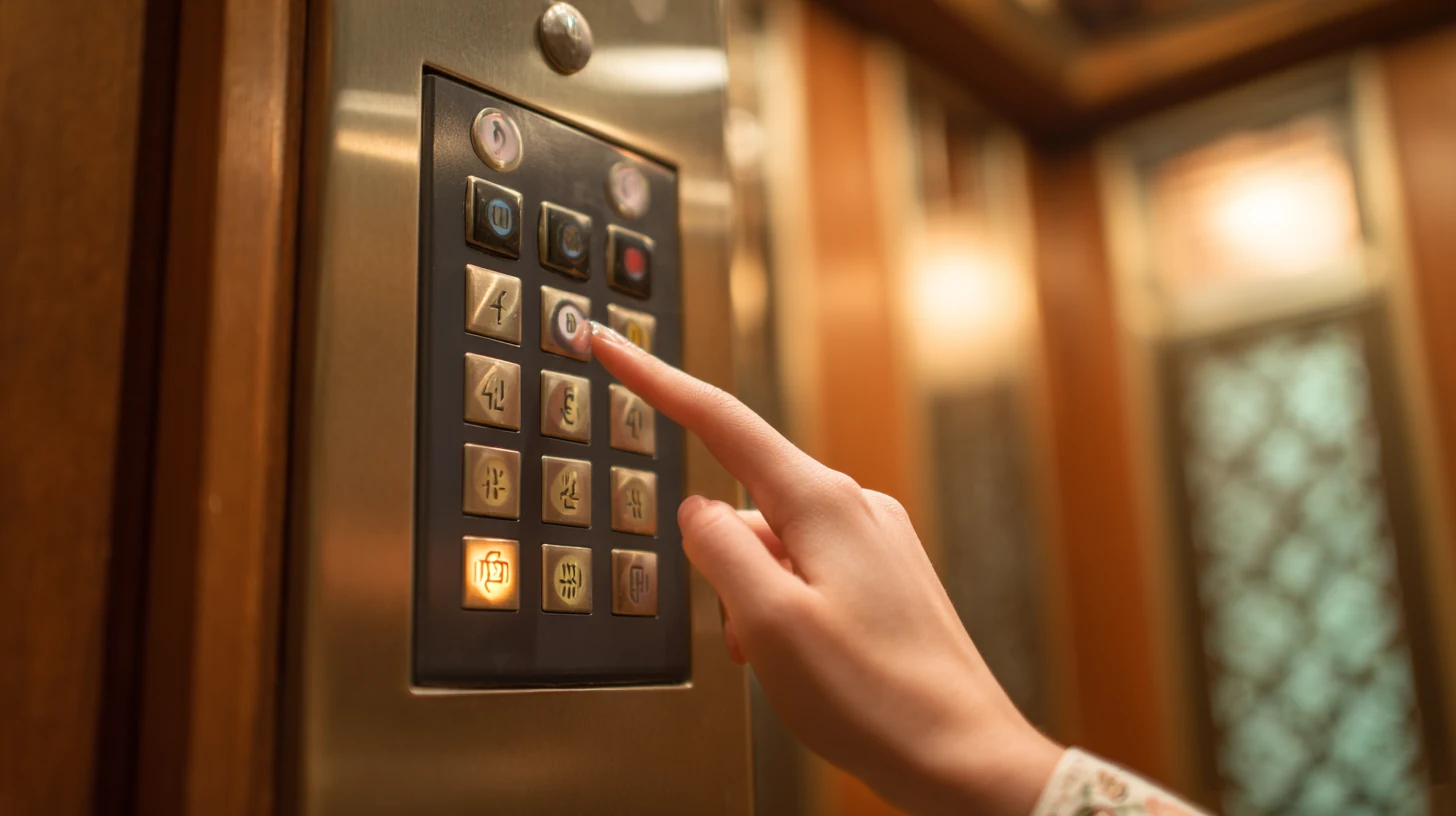 Lift control panels are really at the core of modern elevators these days, making the whole experience way better and safer for users. With their simple, intuitive interfaces and easy-to-use designs, these panels let passengers pick their floor quickly and without hassle. Lots of the newer lift control panels even come with touchscreens that show real-time info—like what floor you’re on, which way the elevator is going, and how long until it arrives. That kind of instant info helps reduce any nerves and makes the ride feel much more predictable and smooth.
Safety, of course, is a big deal when it comes to vertical travel, and these panels actually help out a lot there too. Most have emergency features like alarm buttons and communication systems so folks can easily get in touch with building staff if something's off. Plus, more panels now include accessibility features designed for people with disabilities, making sure everyone can use the elevator safely. All in all, by focusing on both user convenience and safety, lift control panels are really changing how we interact with elevators and making the whole thing a lot more comfortable and secure.
The Impact of Smart Technology on Vertical Transportation Systems
You know, integrating smart technology into elevator control panels is really changing the game when it comes to how we move up and down buildings. I read a recent report from Research and Markets that pretty much predicts the global smart elevator market will hit around $39.7 billion by 2027. That’s a hefty growth rate of about 15.2% from 2020. It makes sense, though—people are really craving more efficiency and energy-saving options, especially in busy cities. These smart lift systems aren’t just cool gadgets—they analyze data in real-time, schedule maintenance before things break down, and optimize energy use. All of this not only makes the ride better for users but also helps cut down on operational costs.
Oh, and if you're thinking about upgrading your lift controls, make sure the new system plays nicely with IoT technology. That way, you'll get extra perks like remote monitoring and real-time performance checks, which means problems get sorted faster and service gets better.
On top of that, touchless controls—like those you can operate with a mobile app or just voice commands—have gone up by about 20% in recent years. This isn’t just about convenience; it’s also a huge plus for hygiene—super important, especially in places with a lot of foot traffic. Building owners trying to meet modern health standards are definitely considering smart lift systems as a future-proof solution.
And here's a little tip—when you’re modernizing lift systems, don’t forget to check out the user interface. Making it intuitive can really improve accessibility for everyone, no matter their age, making the whole ride smoother and more inclusive for all.
What is a Lift Control Panel and How Does It Revolutionize Vertical Transportation?
| Feature | Description | Benefits | Impact on Users |
|---|---|---|---|
| Touchless Operation | Allows users to call lifts without physical contact. | Enhanced hygiene and reduced spread of germs. | Increased user confidence and comfort during usage. |
| Smart Destination Control | Optimizes lift allocation based on passenger patterns. | Reduces wait times and improves traffic flow. | More efficient and pleasant travel experience. |
| Real-Time Monitoring | Tracks performance and alerts to maintenance needs. | Minimizes downtime and enhances reliability. | Increases user trust in safety and functionality. |
| User Personalization | Adjusts settings based on user preferences and habits. | Provides a customized experience for frequent riders. | Enhances user satisfaction and loyalty. |
Comparing Traditional and Advanced Lift Control Panel Systems
You know, the way lift control panel systems have evolved is pretty remarkable—it's really changed how we think about vertical transportation. I mean, if you compare the old-school systems with today’s smart solutions, the difference is huge. Those traditional panels mostly relied on basic mechanical parts or relay systems, which could get pretty inefficient and often meant longer wait times for us. On the flip side, the latest tech uses things like object detection and other advanced features, making everything way more responsive. In fact, recent smart elevator upgrades have shown about a 15% boost in how smoothly and efficiently they run—that’s a pretty impressive jump, don’t you think? It really shows how smarter design and automation can outdo the old ways by a mile.
Plus, adding AI and other smart tech has totally transformed the user experience. Nowadays, smart elevators do stuff like predictive maintenance, which means they can often troubleshoot and fix themselves before things break down. They also adjust waiting times based on real-time needs and come with better safety features. All of this not only saves energy but also makes things more convenient for us—less downtime, easier access, and a smoother ride overall. As cities grow more connected and tech-savvy, the demand for these kind of sophisticated lift control panels is just going to keep rising. Honestly, we’re looking at a real revolution in how we get around vertically, and I find it pretty exciting to be part of this change.
Future Trends in Lift Control Panel Designs and Innovations
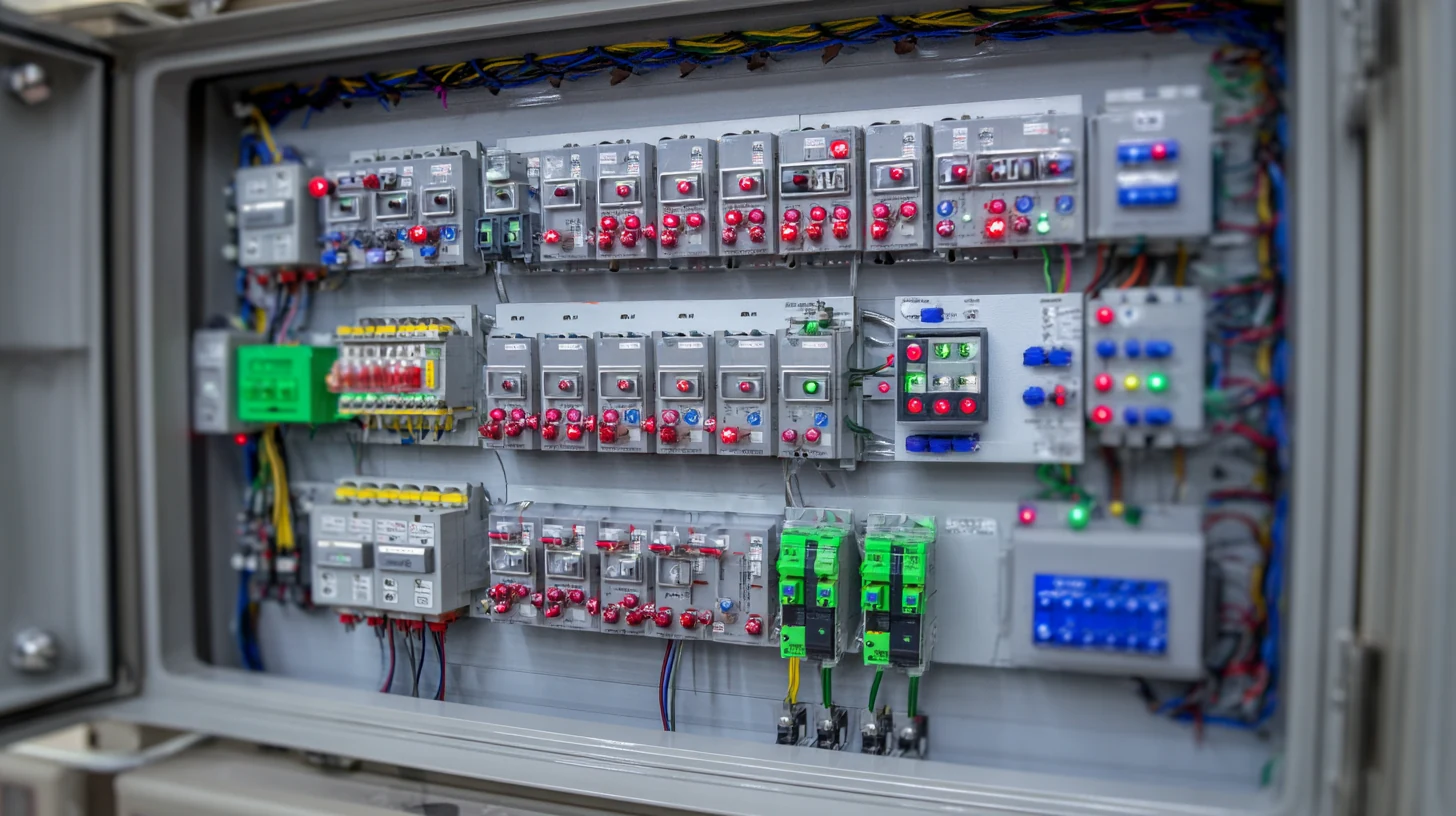
The future of lift control panels is pretty exciting, and it’s definitely heading into a whole new direction thanks to tech breakthroughs and a real focus on making things easier for users. I came across a recent report from Global Market Insights, and it says the smart elevator market might hit over $40 billion by 2025. That’s a huge jump, mainly because of how IoT—yeah, the Internet of Things—is being integrated, making elevators smarter, more connected, and way more functional. Nowadays, lift control panels are changing with cool features like touchless controls, voice commands, and settings that can be personalized for each user—making everything faster, smoother, and more accessible than ever before.
Plus, sustainability is playing a bigger role too. The International Energy Agency highlighted that energy-efficient systems in elevators can cut building energy use by around 30%. That’s pretty significant, right? These new control panels even come with energy monitoring tools, so building managers can better keep an eye on things, optimize their operations, and cut back on energy waste. And with AI algorithms coming into play, future lifts will be able to respond to demand in real-time—meaning shorter waits and smarter operation. It’s like a whole revolution in how we think about and use vertical transportation—and honestly, it’s pretty exciting to see where it’s headed.
Enhancing Elevator Performance: The Role of DAA610E1 Brake Power Board in OTIS Lift Accessories
Enhancing elevator performance is crucial in maintaining safety and functionality in high-rise buildings. The DAA610E1 Brake Power Board plays a vital role in the operation of OTIS lifts by ensuring reliable braking systems, which are essential for optimal elevator performance. According to a study conducted by the International Association of Elevator Engineers, around 30% of elevator malfunctions are attributed to brake system failures. By integrating advanced technologies like the DAA610E1, OTIS lifts can significantly mitigate these risks, ensuring passenger safety and reducing downtime.
The DAA610E1 Brake Power Board is designed to provide enhanced control and responsiveness in the braking process. It incorporates state-of-the-art power management features that can improve energy efficiency by up to 25%, as reported in recent industry analyses. This efficiency not only translates to cost savings for building operators but also contributes to a more sustainable operation. Additionally, the board's robust design minimizes wear and tear, extending the lifespan of the elevator systems, which can lead to substantial reductions in maintenance costs.
In an era where elevator safety and efficiency are paramount, the DAA610E1's role cannot be overstated. As per the Elevator World 2023 Market Report, the demand for reliable lift accessories is projected to grow by 15% annually, highlighting the increasing importance of components like the DAA610E1 in the overall performance of elevator systems. Embracing such innovative technology is imperative for both operational excellence and the assurance of safety standards in the vertical transportation industry.
FAQS
: The evolution of lift control panels began during the industrial revolution when early elevators were operated manually.
By the mid-20th century, electromechanical systems emerged, which enhanced the reliability and safety of lift operations.
Modern lift systems have seen a reduction in malfunction rates by over 30% due to advancements in control panel technologies according to the International Organization for Standardization (ISO).
Modern lift control panels feature advanced touch screen interfaces, real-time monitoring, and reporting capabilities, which enhance user interaction and efficiency.
The integration of smart technology in lift control panels can reduce waiting times by up to 30%, significantly enhancing user experience in busy locations.
Predictive maintenance enabled by modern lift control panels can lower maintenance costs by approximately 20% and improve overall building performance.
Investing in smart control panels with energy-efficient features can significantly reduce operational costs and improve user experience.
Regular maintenance and software updates of lift control panels can prevent unexpected downtime and enhance safety for all passengers.
The global smart elevator market is expected to grow by 8% annually, highlighting the importance of advanced lift control panels in urban infrastructure development.
Modern control panels can collect and analyze data on lift usage and maintenance needs, allowing for proactive service measures that reduce downtime.
Conclusion
The blog titled 'What is a Lift Control Panel and How Does It Change the Way We Use Elevators?' dives into how these panels are actually transforming modern vertical transportation. It kicks off with a bit of history, showing how these crucial parts have evolved over time—kind of like watching a tech progression unfold. The piece highlights the main features and benefits, especially how they make elevator rides safer and more efficient for everyone. Plus, it talks about smart tech and how it's really changing the game—making controls more user-friendly and systems more functional.
The article also compares the old-school, traditional lift control panels with the newer, high-tech options out there today. You can really see how design and performance have improved over the years. Looking ahead, it seems like the industry will keep innovating, with future designs that’ll totally change how we experience taking the elevator. At Zhuhai Link Industrial Co., Ltd., we’re pretty proud of being part of this progress — since 2017, we’ve been selling and maintaining over 200 elevators each year, and we’re excited to see what’s next.
Related Posts
-
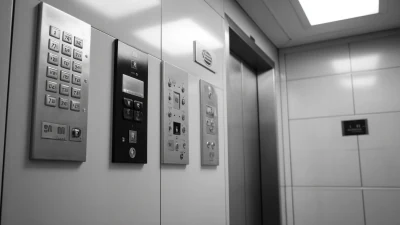
How to Choose the Best Elevator Control Panel for Your Business Needs
-
Exploring Innovations in Lift Control Panel at the Expanding International Trade Landscape of the 137th Canton Fair
-
Resilient Growth of Chinese-Made Elevator Control Panels Amidst US-China Tariff Challenges
-

Top 10 Elevator Control Panel Manufacturers from China at the 137th Canton Fair
-
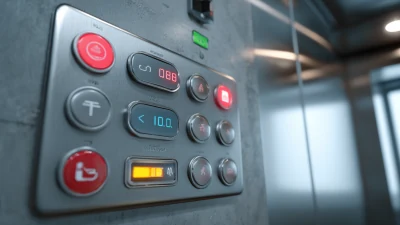
Maximizing Value with Best Elevator Control Panels through Superior After Sales Support and Maintenance Savings
-

Common Issues Faced with Lift Control Panels and How to Address Them